Beyond OTPs: Why India’s New Biometric Authentication Standards Are the Future of Digital Payments
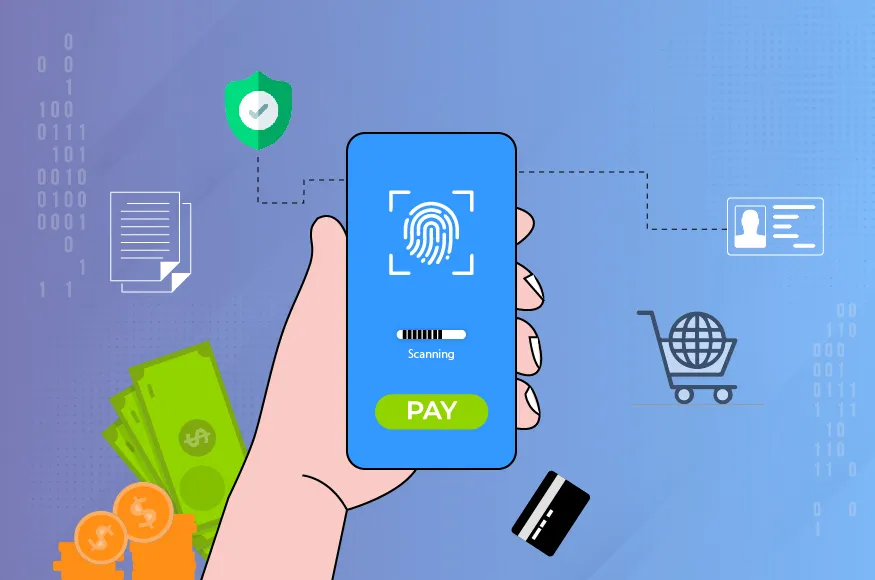
The digital payments landscape in India is on the cusp of a revolutionary transformation. With the Reserve Bank of India’s groundbreaking mandate requiring two-factor authentication for all digital payments effective April 1, 2026, we’re witnessing the dawn of a new era where biometric-first authentication frameworks are set to replace traditional OTP-based security models. This shift represents more than just regulatory compliance; it’s a fundamental reimagining of how we secure digital financial transactions. The End of the OTP Era For decades, OTPs have been the cornerstone of digital security, but they’ve also been its weakest link. With over 80% of data breaches attributed to weak or compromised OTPs, and users experiencing delays and frustrations with SMS-based authentication, the traditional OTP system has become unsustainable. India’s digital payments ecosystem, processing over 8.5 billion transactions monthly, demands a security framework that can scale without compromising user experience. The RBI’s 2026 mandate recognizes this reality, pushing the industry toward authentication methods that are inherently more secure, user-friendly, and fraud-resistant. Why Biometric Authentication is Game-Changing Biometric authentication offers what OTPs never could: Truly unique, non-transferable, and always-available security credentials. Unlike OTPs that can be delayed, intercepted, or compromised, biometric identifiers are intrinsically linked to the individual user. The Security Advantage Biometric authentication provides multiple layers of security that traditional methods cannot match: The User Experience Revolution Biometric authentication eliminates friction from the payment process. No more waiting for OTP messages or carrying physical tokens. A simple fingerprint scan, facial recognition, or voice authentication completes transactions securely and instantly. RBI’s Vision for Secure Digital Payments The RBI’s mandate for two-factor authentication by April 2026 creates a payments ecosystem that can support India’s digital economy aspirations while addressing critical challenges: Fraud Prevention at Scale: India’s proactive approach to authentication standards positions the country as a leader in secure digital finance. Consumer Confidence: Strong authentication standards build trust in digital payments, encouraging broader adoption across demographics and geographies. Financial Inclusion: Biometric authentication removes barriers preventing rural and elderly populations from adopting digital payments. Unlike OTPs requiring phone access and network connectivity, biometric authentication is intuitive and universally accessible. The Technology Behind the Transformation Modern biometric authentication leverages multiple biometric modalities, advanced AI, and risk-based authentication (RBA) to create comprehensive security frameworks that balance protection with user experience. Multi-Modal Biometric Authentication Robust systems combine multiple biometric factors: Risk-Based Authentication: The Smart Layer Risk-based authentication enables systems to make intelligent decisions about authentication requirements in real-time. Rather than applying uniform security measures, RBA analyzes each transaction’s risk profile and adapts authentication accordingly. Real-Time Risk Scoring: Transactions are analyzed using advanced fraud detection engines combining rules and AI/ML models to assess: Intelligent Decision Making: Based on risk assessment, systems determine appropriate authentication paths: Configurable Business Rules: Organizations can define policies that instantly adapt to match risk appetite and market conditions for different card types, transaction amounts, or merchant categories. Out-of-Band Authentication Options Modern RBA systems support multiple authentication methods: Adaptive Authentication in Action Adaptive systems intelligently adjust security measures by evaluating transaction amount and type, user location and device, historical behavior patterns, and network security conditions to make real-time decisions. This approach ensures EMV 3-D Secure and PSD2 SCA compliance while providing analytics dashboards for data-driven insights. The result is increased sales through improved customer experience, reduced fraud through intelligent risk-based decisions, and real-time decision-making using best-in-class machine learning. Leading the Transition with Intelligent Authentication As organizations prepare for the 2026 mandate, comprehensive authentication solutions combine cutting-edge biometric technologies with intelligent risk assessment, creating experiences that are both highly secure and remarkably user-friendly. Comprehensive Biometric Support: Full spectrum support ensures compatibility across diverse user preferences and device capabilities. Regulatory Compliance by Design: Solutions built with RBI guidelines ensure institutions can meet 2026 requirements while positioning for future regulatory developments. Seamless Integration: API-driven architecture enables implementation without disrupting current operations. The Broader Impact on India’s Digital Economy The shift to biometric-first authentication will have implications far beyond payment security: Accelerated Digital Adoption: Simplified, secure authentication will remove barriers preventing many Indians from embracing digital financial services, significantly accelerating financial inclusion. Innovation Catalyst: Robust authentication standards create foundations for sophisticated financial services. With strong identity verification, institutions can confidently offer advanced products through digital channels. Global Leadership: India’s proactive approach positions the country as a global fintech innovation leader, potentially influencing international standards and creating expansion opportunities for Indian fintech companies. Preparing for the Future The transition to biometric-first authentication isn’t just about meeting regulatory requirements; it’s about preparing for the future of digital finance. Organizations embracing this shift early will gain significant competitive advantages: The Road Ahead As we approach the April 2026 implementation deadline, financial institutions and payment service providers must begin preparing for this transformation. The shift to biometric authentication represents one of the most significant changes in digital payment security in decades, but also presents an unprecedented opportunity to create truly secure, user-friendly financial services. Together, we can navigate this change and move towards a safer digital payments ecosystem. We’re here to support you with Wibmo’s advanced Intelligent Authentication Suite – combining multi‑modal biometrics, risk‑based decisioning, and compliance by design – to implement the RBI mandate efficiently and at scale. To know more, write to us at [email protected].