The Philippines Takes a Bold Stand Against Financial Scams: Understanding AFASA
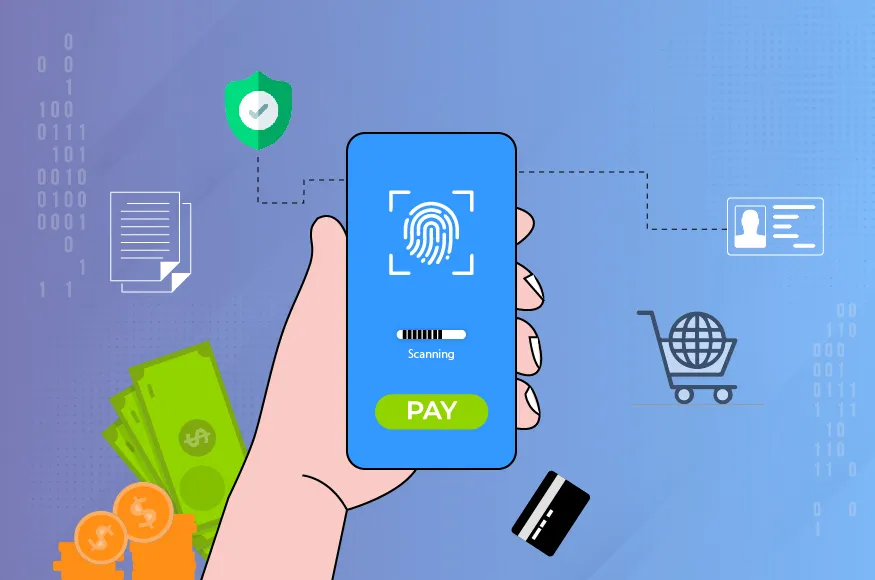
How New Legislation is Reshaping Digital Financial Security The Philippines has declared war on financial scammers. With the signing of the Anti-Financial Account Scamming Act (AFASA) in July 2024, the country has taken one of the most comprehensive approaches globally to combat the rising tide of digital financial fraud. But what does this mean for you as a consumer, and how will it change the way banks and financial institutions operate? The Perfect Storm: Why AFASA Was Necessary Picture this: You wake up to find your bank account emptied overnight. Your phone buzzes with transaction alerts showing transfers to accounts you’ve never heard of. Sounds like a nightmare? For thousands of Filipinos, this became reality as financial scams exploded alongside the country’s digital payment revolution. The numbers tell a sobering story. Between 2020 and 2024, the Philippines witnessed: – A 200% increase in phishing attacks targeting bank customers – Over 154% rise in account takeover incidents – An estimated ₱15 billion in annual losses to financial fraud – Thousands of victims losing their life savings to sophisticated scammers The COVID-19 pandemic accelerated digital adoption, but it also created a generation of new digital users who weren’t fully prepared for the sophisticated tactics of modern cybercriminals. Traditional approaches—warning customers to “be careful” and educating them about scams—weren’t enough. Something more decisive was needed. Enter AFASA: Republic Act No. 12010, a game-changing piece of legislation that shifts responsibility for fraud prevention squarely onto the shoulders of financial institutions. What Makes AFASA Different? Unlike previous anti-fraud initiatives that primarily focused on consumer education, AFASA takes a different approach: it makes financial institutions legally responsible for implementing robust fraud prevention measures. Think of it as requiring banks to build stronger vaults rather than just telling customers to guard their money better. The Three Pillars of AFASA 1. Real-Time Fraud Detection: Always Watching, Always Protecting Under AFASA, banks must implement sophisticated AI-powered systems that monitor every transaction in real-time. These aren’t your grandfather’s banking systems that process transactions overnight—these are high-tech guardians that can spot suspicious activity in milliseconds. Imagine a system that knows your spending patterns so well it can instantly flag when someone tries to make a ₱50,000 transfer from your account at 3 AM when you’re typically asleep. That’s the level of protection AFASA mandates. 2. Multi-Factor Authentication: Because Passwords Aren’t Enough Remember when a simple password was enough to protect your bank account? Those days are officially over. AFASA requires banks to implement multi-factor authentication (MFA) for all customer accounts. This means you’ll likely need to provide: – Something you know (like a PIN) – Something you have (like your phone) – Something you are (like your fingerprint) The law specifically restricts the use of SMS-based one-time passwords (OTPs) due to SIM swap fraud concerns. Instead, banks are pushing toward more secure methods like biometric authentication and app-based verification. 3. Anti-Money Laundering: Closing the Criminal Highway AFASA specifically targets “money mules”—people who allow their bank accounts to be used for transferring stolen money, often for a small fee. By criminalizing this practice and requiring banks to detect it, the law aims to close down the highways that criminals use to move stolen funds. What This Means for Different Stakeholders For Consumers: Better Protection, Some New Friction The Good News: Your money is about to become much safer. Banks will be investing billions in fraud prevention technology, and they’ll be legally liable if they fail to protect your accounts adequately. The Reality Check: Logging into your banking app might take a few extra seconds as new security measures kick in. You might need to verify your identity more frequently, especially for large transactions. But think of it this way: would you rather spend an extra 30 seconds logging in or lose your life savings to a scammer? Pro Tip for Consumers: Embrace the changes rather than fighting them. Set up your biometric authentication, keep your banking apps updated, and learn how the new security features work. The small inconvenience is worth the massive protection upgrade. For Banks: A Massive Transformation Challenge Filipino banks are facing one of the largest compliance challenges in recent memory. The requirements aren’t just about purchasing new software—they require fundamental changes to how banks operate. The Investment Reality: Large banks are investing ₱100-300 million each to meet AFASA requirements. Smaller institutions are either partnering with fintech companies or considering consolidation to share costs. The Opportunity: Forward-thinking banks are positioning their AFASA compliance as a competitive advantage. “Bank with us—we’re the most secure” is becoming a powerful marketing message. For Fintech Companies: A Golden Opportunity AFASA has created a massive market opportunity for fintech companies specializing in fraud prevention, authentication, and compliance technologies. Companies offering AI-powered fraud detection, biometric authentication, and compliance monitoring solutions are seeing unprecedented demand. Real-World Impact: Early Success Stories Since AFASA’s implementation, early adopters are already seeing results. One major Philippine bank reported a 70% reduction in successful phishing attacks after implementing advanced behavioral biometrics. Another institution saw account takeover attempts drop by 65% following their multi-factor authentication rollout. But perhaps most importantly, consumer confidence in digital banking is beginning to recover. Surveys show that 78% of customers feel more secure knowing their banks have strengthened fraud prevention measures, even if it means occasional additional verification steps. The Global Context: Philippines as a Leader AFASA positions the Philippines as a global leader in financial cybersecurity legislation. While other countries have piecemeal regulations, few have implemented such comprehensive requirements for financial institutions to actively prevent fraud. Singapore and the UK have similar initiatives, but AFASA’s scope and enforcement mechanisms are among the most robust globally. International observers are watching the Philippines’ implementation closely, with several countries considering similar legislation. Challenges on the Horizon Despite its promise, AFASA implementation isn’t without challenges: Technical Complexity: Integrating advanced fraud detection systems with decades-old banking infrastructure is like performing surgery on a patient while they’re running a marathon. It’s possible, but it requires extraordinary skill and planning. Customer Education: While