


Apple Pay Is Live in the Philippines. Is Your Bank Ready for the Next Wallet Wave?
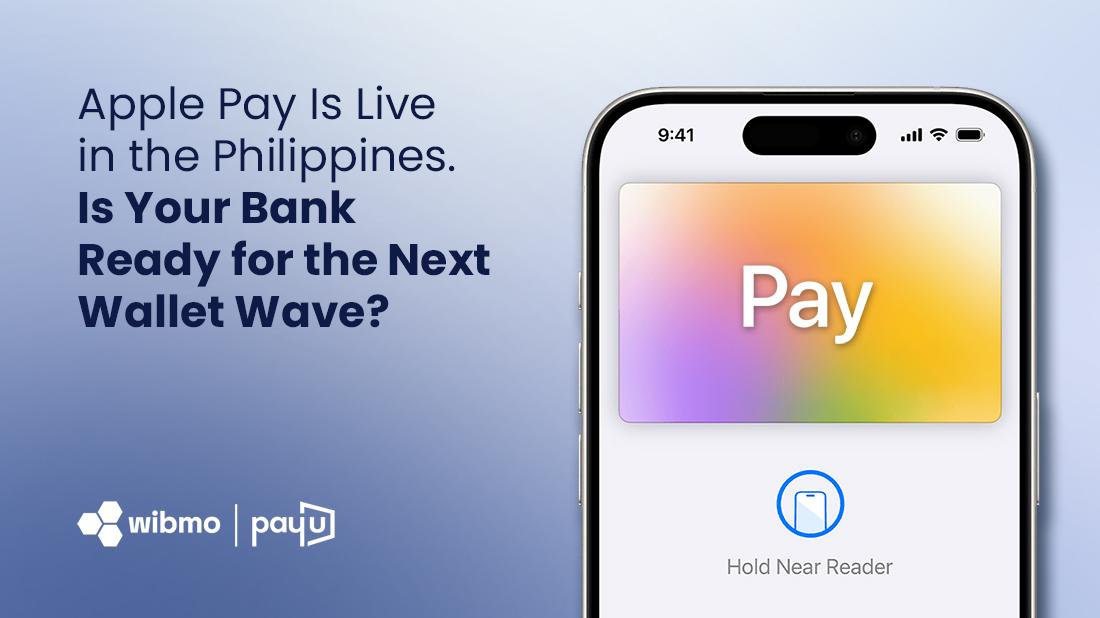
Apple Pay went live in the Philippines on 4 August 2026, marking an important development in the country’s digital payments landscape. Chinabank, GoTyme Bank, Metrobank and UnionBank were among the issuers supporting the launch for eligible cards.
The launch brings digital wallet readiness into sharper focus for banks across the Philippines. As more consumers become familiar with adding cards to their devices and making payments through digital wallets, issuers have an opportunity to look beyond individual wallet launches and prepare for the broader evolution of digital payments.
The question is no longer only whether customers want to use digital wallets. It is whether banks can make their eligible cards easy to activate, secure to use and simple to manage across the wallet journeys customers increasingly expect.
The next phase of digital payments is already taking shape
Digital payments are now a central part of everyday commerce in the Philippines. Customers use cards, mobile applications, online banking platforms and digital wallets across a growing number of retail and service experiences.
As these behaviours converge, digital wallets are becoming an important extension of the cardholder relationship. A card that is not enabled for wallet use may be less convenient for customers who prefer device-based payments. For issuers, this can affect card activation, transaction frequency and long-term digital engagement.
Apple Pay’s arrival creates a clear market trigger for banks that have not yet explored wallet provisioning. It also offers an opportunity to assess the readiness of their card portfolios, mobile applications, authentication journeys and tokenization infrastructure.
Wallet readiness starts with the issuer
For a cardholder, adding a card to a wallet should feel simple. The customer selects an eligible card, confirms their identity and begins using the card through the wallet.
Behind this experience, however, multiple processes need to work together. The issuer must determine whether the card is eligible, complete the required identity and verification checks, initiate the provisioning request, coordinate with the relevant payment network and wallet, and receive confirmation when the token is activated.
This is why wallet enablement is not only a wallet integration exercise. It is an issuer capability that touches card management, customer authentication, mobile banking, network connectivity, operations and ongoing support.
What is Push to Wallet?
Push to Wallet enables a cardholder to begin wallet provisioning directly from the bank’s mobile application. Instead of manually entering card details into a wallet, the customer can select an eligible card and tap an option such as “Add to Wallet.”
The bank app then becomes the starting point for the provisioning journey. The issuer can apply its eligibility and identity checks before the card is tokenized and activated in the supported wallet.
This approach can create a more familiar and trusted experience for the customer. It also enables the bank to remain present throughout the activation journey rather than directing the cardholder to begin elsewhere.
The role of Issuer Tokenization Services
Issuer Tokenization Services provide the operating layer required to manage the digital representation of a payment card.
Through tokenization, the customer’s card number is replaced by a secure network token, which can be associated with a specific device, wallet or payment environment. This helps reduce the exposure of sensitive card credentials while enabling the card to be used for digital payments.
For the issuer, tokenization also creates a need for lifecycle management. Digital tokens may need to be created, activated, suspended, resumed, replaced or deleted during the life of the card. A centralized tokenization capability helps coordinate these events and provides greater visibility over the status of tokens associated with the issuer’s cards.
Beyond activation: managing the complete token lifecycle
Wallet provisioning is only the beginning of the digital card journey. Issuers need to manage what happens when a card is replaced, a device is lost, a customer changes their wallet preferences or a token needs to be suspended.
An effective token lifecycle capability should support the issuer across these events while maintaining a consistent experience for the cardholder. It should also help institutions coordinate lifecycle activity across supported payment networks and wallets, subject to the relevant scheme and implementation requirements.
This broader operating model can help reduce fragmented processes and give issuers greater control over their digital card credentials.
Keeping the bank at the centre of the customer experience
A bank-led Push to Wallet journey can strengthen the relationship between the issuer and the cardholder.
The mobile banking application becomes more than a channel for checking balances or managing account details. It becomes a trusted environment where customers can activate cards, access digital payment credentials and manage their relationship with the bank.
This can support a more connected experience across card activation, wallet usage and digital engagement. It can also give issuers greater visibility into how their cards are being provisioned and used across digital payment environments.
The opportunity is therefore broader than simply making cards available in a wallet. It is about keeping the bank central to the customer’s digital payment experience.
A practical path towards wallet readiness
For banks evaluating their next steps, wallet readiness may involve several areas of assessment. These include the proportion of the card portfolio that is eligible for tokenisation, the maturity of the issuer’s mobile application, existing identity and authentication capabilities, card lifecycle processes and the operating model for customer support.
Banks may also need to consider how they will approach network and wallet connectivity, token lifecycle management, security controls, certification requirements, data responsibilities and internal ownership.
A specialist Issuer Tokenization Services provider can help bring these components together through a defined operating layer. This can reduce the need for issuers to repeatedly build and manage separate capabilities for each wallet or payment network.
How Wibmo supports issuer wallet readiness
Wibmo enables banks with card tokenization and Push to Wallet capabilities. Its issuer tokenization proposition is designed to support the journey from card eligibility and identity verification through provisioning, activation and token lifecycle management.
By combining Push to Wallet with Issuer Tokenization Services, Wibmo helps banks explore a more issuer-led approach to digital wallet enablement. The model is designed to support a seamless customer journey while giving institutions greater visibility and control over digital payment credentials.
For banks in the Philippines, this provides an opportunity to prepare not only for Apple Pay, but also for the wider evolution of wallet-based payments and digital commerce.
The opportunity for the Philippines issuers
The launch of Apple Pay is an important market signal. It demonstrates the growing expectation that customers should be able to use their eligible cards through the devices and wallets they already trust.
For issuers that are not yet enabled, this is the right time to begin a structured readiness conversation. That conversation can start with understanding the current card portfolio, assessing mobile-app capabilities, mapping the required provisioning journey and defining the preferred operating model for token lifecycle management.
Wallet readiness can help banks support more convenient card activation, strengthen digital engagement and remain visible throughout the customer journey.
The banks that prepare early will be better positioned to respond as wallet adoption expands and customer expectations continue to evolve.
The future of digital payments will not be defined by one wallet alone. It will be shaped by how easily issuers can connect their cards, customers and digital channels to the payment experiences customers choose.
Wibmo helps banks move towards that readiness with Issuer Tokenization Services and Push to Wallet.
Make every eligible card ready for the wallets customers already use.
To know more visit: Issuer Token Hub – Card Tokenization Platform | Wibmo