Reading List

Industry Insights, Reading List

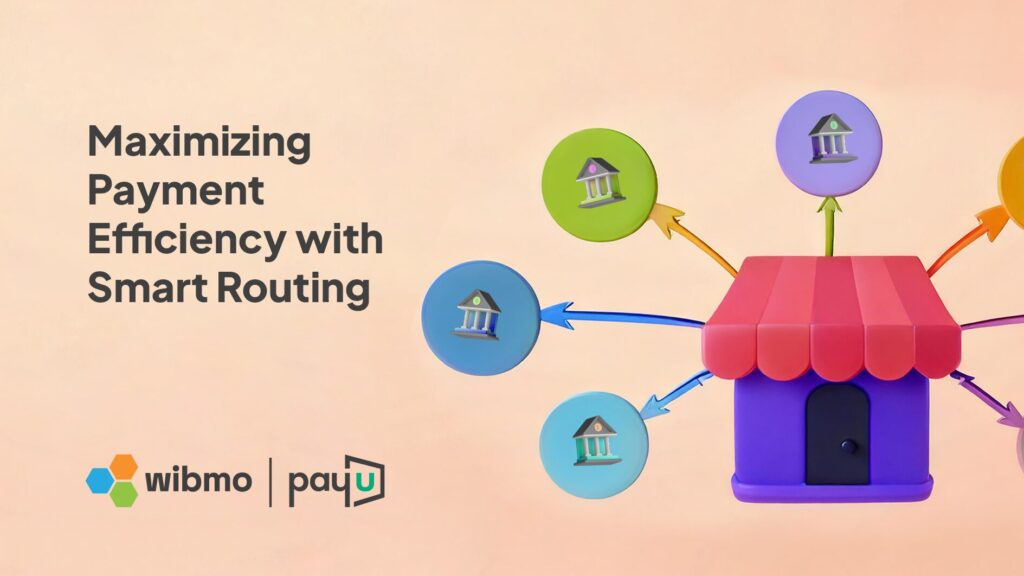
Maximizing Payment Efficiency with Smart Routing

The Digital Payments Roadmap report, recently published by the South African Reserve Bank (SARB), identifies high merchant fees as a significant contributor to the low adoption and use of digital payments by merchants. Additionally, high interchange and merchant card processing fees deter smaller merchants from accepting digital payments, as these fees negatively impact profitability. Achieving optimal performance in digital payments is essential for businesses and for meeting the broader financial inclusion goals set out in the SARB’s Vision 2025 Framework and Strategy. The landscape of digital payments is constantly evolving, with new regulations, network mandates, and issuer preferences emerging regularly. To navigate these changes effectively, companies need a comprehensive toolkit that not only keeps them informed but also helps maintain high acceptance rates and ensures a seamless customer experience. Intelligent payment routing, or smart routing, is a critical component of this toolkit. It automates the process of directing transactions to the Payment Gateway that offers the highest likelihood of acceptance at the low-cost high success rate, addressing the significant issue of Transaction failures How Intelligent Payment Routing Works Intelligent payment routing determines the best path for processing a payment to maximize successful transactions while minimizing costs. This can involve routing through different payment providers (payment orchestration) or networks, considering factors such as efficiency, reliability, and cost. Merchants can set criteria for automated routing based on their specific objectives. Key Benefits of Smart Routing: Smart Payment Routing Through Different PSPs Payment orchestration involves smart routing through various payment service providers (PSPs). The routing software evaluates factors such as customer location, payment currency, transaction amount, and card type to determine the best provider for each transaction. This approach ensures that payments are processed through the provider with the highest Conclusion In conclusion, Smart payment routing is a vital tool for businesses looking to optimize their digital payment processes. By automating the selection of the most efficient and cost-effective payment routes, companies can significantly enhance their revenue, reduce processing costs, and improve overall payment performance. The ability to dynamically route payments, access real-time data, and integrate with multiple payment providers ensures that businesses can adapt to the ever-changing digital payments landscape. As digital transactions continue to grow, the importance of intelligent payment routing will only increase, making it an indispensable part of any comprehensive payment strategy.

Reading List, Tech Bytes

The Role of AI and ML in Averting Fraud in Real Time 

Fraudsters are becoming increasingly sophisticated, leveraging advanced technologies to exploit vulnerabilities. As a leading provider of secure payment solutions, Wibmo understands the critical role that artificial intelligence (AI) and machine learning (ML) play in averting fraud in real-time. This blog explores how AI and ML are transforming fraud prevention, the benefits of these technologies, and how Wibmo’s innovative products are at the forefront of this battle.  The Growing Threat of Fraud  Fraud is a pervasive issue that affects individuals and organizations worldwide. According to a report by Juniper Research, global losses from online payment fraud are expected to exceed $206 billion between 2021 and 2025. This staggering figure underscores the urgent need for effective fraud prevention measures.  How AI and ML Combat Fraud  AI and ML are revolutionizing the way we detect and prevent fraud. These technologies enable systems to analyse vast amounts of data, identify patterns, and make real-time decisions. Here are some keyways AI and ML are used in fraud prevention:  The Benefits of AI and ML in Fraud Prevention  The integration of AI and ML in fraud prevention offers numerous benefits:  Wibmo’s AI and ML Solutions  At Wibmo, we leverage AI and ML to provide cutting-edge fraud prevention solutions. Our products are designed to protect users and organizations from a wide range of fraudulent activities. Here are some of our key offerings:  Real-World Impact of AI and ML in Fraud Prevention  The impact of AI and ML in fraud prevention is evident in various industries. For instance, banks using AI-powered fraud detection systems have reported a 50% reduction in false positives and a 30% increase in fraud detection rates. Similarly, e-commerce platforms have seen a significant decrease in chargebacks and fraudulent transactions by implementing AI and ML solutions.  The Future of AI and ML in Fraud Prevention  As AI and ML technologies continue to advance, their role in fraud prevention will become even more critical. Here are some trends to watch for:  In the fight against fraud, AI and ML are powerful allies. These technologies enable real-time detection and prevention, ensuring that individuals and organizations can stay one step ahead of fraudsters. At Wibmo, we are committed to leveraging AI and ML to provide innovative fraud prevention solutions that protect our users and enhance their security. By staying informed about the latest trends and continuously improving our systems, we can create a safer digital environment for everyone.  By understanding the role of AI and ML in fraud prevention and adopting advanced solutions like those offered by Wibmo, you can significantly reduce the risk of falling victim to fraud. Stay vigilant, stay informed, and stay secure. 

Industry Insights, Reading List, Stories

Securing Digital Transactions During the Festive Season with Wibmo: A Trusted Partner for Seamless and Safe Payments

The festive season brings an immense surge in online shopping and digital payments. In 2023, Diwali sales alone saw a 49% increase in online transactions, along with a 35% rise in website traffic, making it one of the most lucrative periods for businesses. However, with this rise comes a higher risk of fraud and security breaches. Securing seamless transactions is essential for protecting both revenue and customer trust during this busy season. Wibmo Protect is designed to address these challenges, offering a comprehensive solution that ensures secure and frictionless transactions, even during the peak of the festive rush. How Wibmo Protect Safeguards Festive Transactions 1. Multi-Layered Security with Adaptive AuthenticationWibmo Protect uses dynamic, multi-factor authentication (MFA) to safeguard transactions by adapting security measures based on real-time risk. This reduces the friction for legitimate customers while ensuring robust protection against fraud. Given that the 2023 festive season saw a 72% spike in online sales just two days before Diwali, adaptive authentication is crucial to maintaining a seamless shopping experience without compromising security. 2. Real-Time Fraud Detection & PreventionThe festive season also brings an increase in fraudulent activities. Wibmo Protect’s AI-driven fraud detection engine continuously monitors transactions, instantly identifying suspicious patterns and blocking unauthorized activities in real-time. With eCommerce fraud expected to rise during high-traffic periods like Diwali, proactive fraud detection minimizes losses and protects businesses from financial threats. 3. Seamless Integration with Payment EcosystemsBuilt on industry-standard 3D Secure protocols, Wibmo Protect easily integrates into existing payment ecosystems, ensuring secure transactions without disruption. This is particularly important as conversion rates during the 2023 festive season increased by 22%, emphasizing the need for a frictionless user experience while handling high volumes of transactions. 4. Scalability for High Transaction VolumesThe Indian eCommerce sector recorded significant growth, with over ₹3.75 lakh crore in retail trade during Diwali 2023. Wibmo Protect’s scalable infrastructure is built to handle such high transaction loads, ensuring that businesses can maintain security and efficiency even when managing millions of transactions daily. 5. Compliance with Global and Local RegulationsWibmo Protect adheres to global standards like PCI-DSS and complies with local regulations, such as the RBI’s Additional Factor Authentication (AFA) guidelines. This guarantees that businesses remain secure and compliant, reducing the risk of regulatory fines during peak transaction periods. 6. Advanced Machine Learning for Fraud Pattern RecognitionWibmo Protect leverages machine learning to stay ahead of emerging fraud patterns. During high-traffic periods like the festive season, when fraudulent activities spike, Wibmo Protect’s system identifies and prevents new fraud attempts, ensuring businesses stay protected. Why Businesses Trust Wibmo Protect As businesses gear up for the festive season, securing digital transactions is crucial to providing a seamless shopping experience while protecting against fraud. With Wibmo Protect, businesses can confidently manage high transaction volumes and safeguard their customers from evolving threats during the festive season. Keep your payments secure this festive season with Wibmo Protect, your trusted partner for secure, seamless transactions.

Industry Insights, Reading List, Stories

Scams on the Internet: How to Spot Them and Stay Safe

The internet has become an essential component of our everyday life in the current digital era. Almost all facets of our lives, including banking, socializing, and employment, have shifted online. But the ease of using the internet also carries the risk of becoming a victim of fraud. Cybercriminals are continuously coming up with new ways to trick naïve people, and internet scams are becoming more common. The Federal Trade Commission (FTC) documented over 2.2 million fraud cases in 2023 alone, resulting in losses of over $8.8 billion, underscoring the critical need for awareness and prudence. This blog will discuss typical internet scam types, how to identify them, and important online safety advice. Common Types of Internet Scams How to Spot Internet Scams Tips to Stay Safe Online Bottomline Internet scams are an unfortunate reality of the digital age, but by staying vigilant and informed, you can protect yourself from falling prey to cybercriminals. Remember to always verify the source of online communications, use strong passwords, and be cautious of offers that seem too good to be true. By following these tips and educating yourself about common scams, you can enjoy the benefits of the internet while staying safe and secure.

Industry Insights, Reading List

Transforming India’s Digital Payments: The Rise of AePS and Its Challenges

A Decade of Digital Evolution India’s digital landscape has undergone a remarkable transformation over the past decade. With the advent of digital payment channels such as UPI, IMPS, and net banking, the country has achieved unprecedented growth in digital transactions. Despite these advancements, one specific demographic—rural middle-aged to senior citizens—was not fully utilizing this ecosystem. To address this gap and make basic banking services accessible in areas with limited banks and ATMs, the government launched the Aadhaar Enabled Payment System (AePS). Introduction of AePS The Aadhaar Enabled Payment System, introduced by the NPCI in 2016, is a digital payment method based on the Unique Identification Number (UIN) linked to the Aadhaar card. It allows Aadhaar cardholders to conduct financial transactions via Aadhaar-based authentication without needing to visit a bank. Instead, these transactions are facilitated by business correspondents (Bank Mitras) using micro-ATMs. AePS empowers all sections of society by making financial and banking services accessible to everyone through Aadhaar. It supports seamless fund transfers, cash deposits, withdrawals, balance inquiries, and more. Additionally, AePS facilitates the disbursement of government welfare schemes such as NREGA, social security pensions, and old age/handicapped pensions. Exponential Growth Since its launch, AePS has seen a significant boost in utilization. In 2019, the revenue from AePS transactions was around INR 5 billion. Within five years, this figure skyrocketed to INR 51 billion in 2024, a tenfold increase. By 2025, it is projected to reach INR 67 billion. In 2023 alone, over 370 million customers conducted transactions through AePS, highlighting its widespread adoption and success. Rising fraud concerns However, the rapid growth of AePS has also attracted fraudsters, targeting the predominantly rural, middle-aged, and senior population. Over the past 2–3 years, numerous reports of AePS-related fraud have surfaced. For instance, in Hyderabad, a gang of cybercriminals was arrested for fraudulently withdrawing ₹14.64 lakh from 149 customers. Such incidents underscore the growing risk of cyber-financial scams associated with AePS. According to the Indian Cyber Crime Coordination Centre (I4C), AePS frauds accounted for 11% of cyber financial scams originating in India in 2023. Addressing Fraud: RBI and NPCI Initiatives In response to the increasing fraud cases, the RBI has instructed banks to streamline the onboarding process for AePS touchpoint operators, including mandatory due diligence. Additional fraud risk management requirements are also being considered. The NPCI has released circulars addressing customer withdrawal limits, account statements, and Business Correspondent (BC) onboarding procedures. Strengthening onboarding processes AePS providers must rigorously scrutinize the onboarding processes for business correspondent agents. This involves conducting comprehensive background checks to verify the authenticity and credibility of potential agents. Additionally, a risk-based categorization system should be implemented, where agents are classified based on an assessment of their history, including any previous instances of fraudulent activities or non-compliance. By adopting a detailed and systematic approach to onboarding, AePS providers can ensure that only trustworthy and low-risk agents are integrated into the system. Moreover, continuous monitoring and periodic reassessment of BC agents are crucial to maintaining high standards of integrity and security. Regular training and awareness programs should be conducted to keep agents updated on the latest security protocols and fraud prevention techniques. By strengthening these onboarding and monitoring processes, AePS providers can significantly reduce the risk of fraud and enhance the overall security and reliability of the payment system. This proactive approach not only safeguards the interests of users but also fortifies the reputation and operational efficiency of the AePS ecosystem. Common fraud scenarios One prevalent fraud scenario involves unauthorized cash withdrawals, where users receive no indication of the transaction. Fraudsters often impersonate fingerprints or deceive customers about the success of transactions. In some instances, BC agents have been known to use silica gel to replicate fingerprints, further complicating the detection of fraudulent activities. These sophisticated methods of fraud underscore the necessity for AePS providers to enhance their security measures and address these specific threats comprehensively. To combat these issues effectively, AePS providers need to strengthen their ecosystem and focus on specific patterns to identify and mitigate fraudulent activities. Key Areas of Focus Preparing for Future Challenges Currently, the primary issue revolves around cash withdrawals. However, with the increasing volume of fund transfers, there is a potential risk of anti-money laundering activities. As AePS providers continue to expand their services, they need to be adequately equipped to handle these emerging challenges. This involves not only detecting and preventing fraudulent activities but also complying with stringent regulatory requirements to ensure the integrity of the financial system. Conclusion The AePS industry is booming, and as it grows, fraudsters will seek new ways to exploit the system. To sustain growth and protect users, financial institutions must enhance fraud and risk management systems by investing in advanced technologies like artificial intelligence and machine learning for real-time monitoring and anomaly detection. Continuous education and training for users and service providers on potential risks and best practices are also crucial. By implementing robust security measures, the AePS ecosystem can mitigate fraud risks and continue to flourish, driving financial inclusion and transforming India’s digital payment landscape. Collaboration with regulatory bodies is essential to stay ahead of emerging threats and ensure a secure, seamless payment experience. With a concerted effort towards enhancing security and compliance, the AePS industry can thrive, paving the way for a more inclusive and digitally empowered India.

Industry Insights, Reading List

Cross Border Payments in India

What are cross-border payments? Payments or transactions done across borders are part and parcel of international trade. So, playing the role of medium between the vendor and customer, cross-border payment is one of the crucial entities that enables cross-border trade. Any export or import is dependent on cross-border payment, and its growth is crucially dependent on smooth and seamless transactions. Why are cross-border payments significant? The significance of cross-border payments is proportional to the significance of cross-border trade. The size of cross-border payments is significant, with export merchandise alone contributing to about 15% of the total GDP. This alone is enough to look into the cross-border payment facilities that we are enabling our traders with to boost our country’s economic growth. India is looking at becoming a $5 trillion economy, and one of the major contributors can be cross-border trade. However, the fact on the ground is that of the 17 states that share their borders with other countries, only nine of them can actively engage in safe trade. Digital India has thrown the doors to cross-border trade wide open to not just the conglomerates but also MSME in India. Talking of MSME contribution, Livemint.com reports that “In FY 2022–23, MSME products accounted for 43.6% of India’s exports.” What are the major challenges to cross-border payments in India? Charges: With different countries come different rules and different financial charges. Many of the charges are informed only at the time of transactions, which either the vendor has to absorb or charge to the customer, irritating them in the least. Cumbersome process: With most local banks dealing with only a few currency options, time is taken for the standard international payouts, and both time and transparency are lost. SWIFT and international wire transfers come with their own set of challenges with regards to cost and time. Risk of fraud: Digitalization has thrown the door open to not just traders but also to cyber criminals. Cybersecurity has been constant and updated with the ability to come up with new solutions for the threats emerging daily. And yet be cost-effective. Compliance changes: Different borders dictate different laws at different points in time. The law of the land is often tweaked to combat raising threats or cementing the loopholes of existing laws. Currency volatility: With VUCA, is it a surprise that every country has a relatively fluid economy when compared to the currency woes that have been an age-old story? Only the present digitization has removed the buffer that the lag of communication offered earlier. How do we provide a solution to one of the pillars of our economy? Fintech India needs its fintech industry to find a one-stop solution for not just an easy and transparent transaction but also a safe one. A solution that authenticates easily but with foolproof scrutiny. Though many start-ups are working on solving individual issues discussed, most of them are working on their expertise, which is limited to one area.  The need of the hour is an aggregator who would collect all this expertise on one platform and provide a holistic solution. The future looks bright with a possible blend or amalgamation of both seamless and secure transactions across borders.

Industry Insights, Reading List

Exploring the Foundation of Modern Banking: 9 Essential Core Banking Modules for Comprehensive Insight

Core Banking Systems (CBS) are the bedrock of modern financial institutions (FIs), serving as the linchpin for delivering accessible, flexible, and scalable banking services. With FIs allocating significant investments towards upgrading their legacy CBS, it’s paramount to grasp the pivotal modules embedded within these systems to maximize their capabilities. Recent industry data underscores the critical role of CBS in shaping the banking landscape. According to a report by BankingTech, investments in CBS upgrades have surged by 25% over the past two years, reflecting the industry’s commitment to modernization and innovation. This substantial increase underscores the growing importance of understanding the core modules that drive CBS functionality. As financial institutions navigate the complex terrain of modern banking, insights from a study conducted by Deloitte reveal that institutions leveraging comprehensive CBS solutions witness up to 30% improvement in operational efficiency and a 20% increase in customer satisfaction. These statistics underscore the transformative impact of CBS modules on enhancing banking operations and customer experiences. In light of these trends, delving into the intricacies of CBS modules becomes imperative for financial professionals seeking to stay ahead in the competitive landscape. By gaining a deeper understanding of these modules, banks can unlock new opportunities for innovation, efficiency, and customer-centricity, driving sustainable growth and success in the digital era. Let’s delve into the core modules that underpin the functionality of modern Core Banking Systems: Payment Processing Module: · Precision and efficiency characterize the Payment Processing module, managing diverse transactions with finesse. · According to recent industry reports, the adoption of contactless payments has witnessed a staggering growth of over 40% globally in the past year alone, emphasizing the critical role of payment processing modules in facilitating seamless transactions. Customer Relationship Management (CRM) Module: · Personalization takes center stage with the CRM module, enriching user interactions beyond mere data storage. · Recent data suggests that banks utilizing advanced CRM capabilities experience up to a 20% increase in customer satisfaction and retention rates, highlighting the significance of personalized experiences in today’s competitive landscape. General Ledger Module: · The General Ledger (GL) Module serves as the centralized repository for recording all financial transactions systematically. · Studies indicate that organizations leveraging advanced GL modules witness up to 30% improvement in financial reporting accuracy, enabling informed decision-making and regulatory compliance. LMS and LOS Module: · The Loan Management System (LMS) and Loan Origination System (LOS) streamline the loan lifecycle, from application to repayment. · Recent market analysis indicates that FIs adopting comprehensive LMS and LOS solutions achieve up to a 25% reduction in loan processing time, enhancing operational efficiency and customer satisfaction. Digital Banking Module: · The Digital Banking Module revolutionizes customer interactions by offering seamless online and mobile banking experiences. · Recent market analysis indicates that banks embracing digital banking solutions witness up to a 25% increase in customer engagement and retention rates, as customers increasingly prefer digital channels for their banking needs. Data Analytics Module: · The Data Analytics Module harnesses the power of data to drive informed decision-making and personalized customer experiences. · According to industry insights, organizations leveraging advanced data analytics modules experience up to a 30% improvement in cross-selling effectiveness and revenue generation, as data-driven insights enable targeted product recommendations and marketing campaigns. Fraud Detection Module: · Proactive fraud prevention defines the Fraud Detection Module, leveraging data analytics and machine learning to identify suspicious behaviour. · According to industry research, organizations with robust fraud detection systems experience up to a 40% decrease in fraud-related losses, safeguarding both financial assets and customer trust. Expense Management Module: · Methodical oversight characterizes the Expense Management Module, ensuring strict adherence to budgets and optimal resource utilization. · Recent surveys indicate that businesses implementing advanced expense management solutions witness up to a 35% reduction in administrative costs, driving bottom-line savings and operational efficiency. Tax Module: · Automated tax management simplifies tax-related responsibilities for FIs and customers alike, ensuring financial integrity from income to corporate taxes. · Market trends reveal that organizations leveraging integrated tax modules achieve up to a 30% reduction in tax compliance costs, streamlining processes and mitigating risks. These core banking modules operate seamlessly behind the scenes, ensuring a smooth and secure banking experience for customers. As FIs embrace the evolution of their legacy systems, the integration of these modules not only streamlines transactions but also enhances customer experiences, fortifies security measures, and drives operational excellence. Curious to learn more about Core Banking Systems and their transformative impact? Stay tuned for deeper insights and innovative solutions! You can also visit www.wibmo.com Banking Platform, Banking Tech, Banking Technology, Core Banking Solutions, Modern Banking

Industry Insights, Product, Reading List

Wibmo Protect — Adaptive Multi-Factor Authentication Solution

The Reserve Bank of India (RBI) has embarked on a transformative journey by proposing a Principle-Based Framework for the authentication of digital transactions. This pioneering initiative underscores the RBI’s commitment to fostering a secure, seamless, and customer-centric digital payments ecosystem. The primary objective of this framework is to propel the adoption of alternative authentication mechanisms, transcending the traditional SMS OTP paradigm. By embracing innovative authentication solutions, the RBI seeks to elevate the customer experience while fortifying the security infrastructure of digital payments. Furthermore, this strategic move is poised to empower businesses to embark on a journey of innovation, enabling them to explore cutting-edge solutions while upholding the highest standards of security and integrity. In essence, the Principle-Based Authentication Framework heralds a new era of digital transactions, characterized by enhanced security, heightened user experience, and unparalleled innovation. Challenges with OTP Authentication: Traditional SMS OTPs, while prevalent, present significant limitations and risks. They heavily rely on mobile service providers, are susceptible to interception, and contribute to transaction delays and failures, leading to user frustration and financial losses. Limitations of Traditional SMS-Based OTP Authentication: – Reliance on Mobile Service Providers: SMS OTPs are entirely dependent on mobile service providers, making them susceptible to network coverage issues and unable to support offline mode. – Inadequate Support for Cross-Border Transactions: Due to network dependencies, SMS OTPs face challenges in facilitating cross-border transactions and international access. – High Transaction Authentication Failure Rate: In the current scenario, the authentication failure rate for card transactions using SMS OTPs averages between 5% to 8%, primarily due to network dependencies. – Vulnerability to Cyber Threats: SMS OTPs are prone to interception, phishing, MITM attacks, and sim swapping, lacking robust protection for authorized access. – Rising Instances of Fraud: Cybercrimes, including fraud cases involving SMS OTPs, have surged, with approximately 1.1 million fraud cases registered in 2023, amounting to Rs 7,488.6 crore. Additionally, UPI fraud cases reached over 95,000 in the 2022–23 fiscal year. – User Experience Disruptions: Delays or delivery failures in SMS OTPs disrupt the user experience, leading to frustration and contributing to merchant conversion losses. – Increased Operational Costs: Constant intervention is required to manage authentication experiences across various channels, leading to additional costs. The average SMS cost per transaction is 12 paise, which escalates based on the chosen channels. Wibmo Protect: A Revolutionary Solution: Wibmo Protect, a cutting-edge platform, aligns seamlessly with the RBI’s framework. Utilizing a risk-based contextual authentication approach, it leverages machine learning and deep data analytics to detect and prevent fraudulent transactions in real-time. Contextual authentication further enhances security, enabling swift and secure payments without OTPs. Key Benefits of Wibmo Protect: Wibmo Protect offers a multitude of benefits, including: – Fraud Detection & Prevention – Dynamic Risk-based Authentication – Preference-based authentication with multiple modes – Multi-channel support for various transaction types – Reduced chargebacks and increased revenue growth – Merchant opt-out feature – Enhanced consumer authentication experience Wibmo Protect combines three powerful modules: 1. Access Control Server (Accosa ACS): A holistic payment authentication platform integrated with an intelligent risk engine. 2. Enterprise Trident FRM: A comprehensive cross-channel, self-learning risk assessment engine. 3. Tridentity: A multifactor out-of-band authentication solution offering secure, password less authentication. Wibmo Protect emerges as a game-changer in digital transaction security. By embracing innovative technologies and adaptive authentication methods, it sets new standards for security, efficiency, and customer satisfaction. With its comprehensive suite of modules, Wibmo Protect stands as a beacon of trust and reliability in the evolving landscape of digital transactions. Through continuous innovation and commitment to security, Wibmo paves the way for a secure and seamless digital future. Author: Anand K Khanna, Product Manager — Fraud & Risk Management Wibmo A PayU/Naspers FinTech Company Digital Payment, Fraud Detection, Multi-Factor Authentication, Payment Security, RBI

Industry Insights, Reading List, Stories

Unveiling the Future: Fintech Innovations Redefining Finance in 2024

As we navigate the intricate landscape of finance, the year 2024 unfolds with a myriad of fintech innovations that promise to reshape the industry fundamentally. Fintech, a portmanteau of “financial technology,” has become synonymous with innovation and disruption, revolutionizing how we manage, invest, and transact in the digital era. In this comprehensive blog, we’ll explore the groundbreaking fintech trends that are set to dominate the stage in 2024. Decentralized Finance (DeFi): Decentralized Finance, or DeFi, stands at the forefront of fintech innovation in 2024. This paradigm shift involves leveraging blockchain technology to create a decentralized financial ecosystem that operates outside traditional banking systems. DeFi platforms facilitate peer-to-peer lending, borrowing, and trading without the need for intermediaries. Smart contracts on blockchain networks ensure transparency, security, and efficiency in financial transactions. As we move forward, the DeFi space is expected to mature, offering more sophisticated financial services while challenging the conventional norms of the finance industry. Central Bank Digital Currencies (CBDCs): Central Bank Digital Currencies are gaining prominence as central banks worldwide explore the digitization of national currencies. In 2024, CBDCs are not just theoretical concepts but tangible initiatives that aim to provide a secure and regulated digital alternative to physical cash. Countries like China have made significant strides in piloting CBDCs, aiming to enhance the efficiency of financial transactions, reduce costs, and ensure greater financial inclusion. The widespread adoption of CBDCs holds the potential to redefine the global monetary landscape. AI-Powered Personalization: Artificial Intelligence (AI) continues to be a driving force in fintech, particularly in the realm of personalization. In 2024, AI is set to transform the user experience by providing hyper-personalized financial services. Machine learning algorithms analyze vast datasets to understand user behaviors, preferences, and financial patterns. Fintech platforms leverage this data to offer tailored investment advice, customized budgeting tools, and personalized recommendations. AI-driven personalization not only enhances user satisfaction but also fosters a deeper connection between users and their financial platforms. Embedded Finance: Embedded finance is revolutionizing the way financial services are delivered by seamlessly integrating them into non-financial platforms. In 2024, we witness the expansion of embedded finance into various sectors, allowing users to access financial services without the need to switch between different applications. E-commerce websites, social media platforms, and even ride-sharing apps now offer embedded financial services such as payments, loans, and investments. This trend is breaking down traditional silos, creating a more interconnected digital ecosystem. Green Fintech: Sustainability takes center stage in 2024, and fintech is not exempt from this global shift towards environmental responsibility. Green fintech initiatives are emerging to address climate concerns and promote eco-friendly financial practices. This includes the development of digital currencies with lower carbon footprints, sustainable investment platforms that prioritize environmental, social, and governance (ESG) factors, and tools that encourage responsible spending and consumption. Fintech is becoming a driving force for positive environmental change, aligning financial activities with broader sustainability goals. Biometric Authentication: The quest for enhanced security in financial transactions has led to the widespread adoption of biometric authentication methods. In 2024, we see a surge in the use of biometrics, such as facial recognition, fingerprint scans, and voice recognition, to verify user identities. These advanced authentication methods provide an extra layer of security against fraud and unauthorized access. As fintech platforms prioritize user safety, biometric authentication is becoming integral to ensuring secure and convenient financial transactions. The year 2024 marks an important turning point in the growth of fintech when creativity and technology combine to reshape the financial environment. From the decentralized revolution of DeFi to the digitization of national currencies via CBDCs, the fintech industry is undergoing transformational change. AI-powered personalization, embedded finance, green fintech efforts, and biometric authentication all work towards a future in which financial services are not just technologically advanced but also sustainable, secure, and seamlessly interwoven into our daily lives. As we welcome the advancements in fintech, it’s crucial to acknowledge their profound impact on money management. Heading into 2024, the future of financial technology promises ongoing empowerment, bridging financial divides, and fostering a more inclusive and sustainable global economy. Leading this transformative journey is Wibmo, a key player in fintech, utilizing innovative technologies. With our robust payment security and digital payment services, we play a pivotal role in seamlessly integrating financial services, ensuring heightened security and transaction efficiency. In this era of significant shifts in the financial industry, we are happy to be able help banks and fintech firms in reshaping the landscape of finance. 2024 Trends, 2024 Trens, Digital Finance, Financial Services, Fintech, Fintech Trend

Industry Insights, Product, Reading List

Empowering Digital Transactions: A Comprehensive Guide to Payment Gateways and Wibmo Areion’s Innovation

The dynamic landscape of digital payments has posed challenges and opportunities for stakeholders across the financial ecosystem. From merchants and payment facilitators to issuers and payment gateways, each entity grapples with considerations of customer convenience, operational costs, compliance, security, and value-added services. This comprehensive guide explores the critical decision of selecting the right payment gateway, emphasizing the importance of compliance, security, transparent costing, and value-added services. Additionally, we delve into the innovative features of Wibmo Areion, a cutting-edge payment gateway that redefines the digital payment experience. Understanding the Landscape: The payment ecosystem operates as a connected network of platforms, where the considerations for selecting a payment gateway vary based on the role of the player. The two primary providers of payment gateway services to merchants are acquiring banks or intermediaries such as Payment Aggregators, Payment Facilitators, or PSPs. Table Stakes and Prerequisites: Before embarking on the payment gateway journey, certain prerequisites must be addressed. Compliance with supported payment schemes and robust technological infrastructure, complying with standards like PCI DSS and NPCI for UPI, is crucial for a seamless and secure digital payment experience. Key Business Considerations: Cost per Transaction (MDR): Derived from the Merchant Discount Rate (MDR), transparent costing is complex and varies based on factors like merchant category code, payment limit, and payment instrument type. Transaction Success Rate (SR): Paramount for all stakeholders, payment gateways strive to offer the highest success rate through innovative payment flows and partnerships. Fraud Management: A robust fraud management platform is essential to minimize chargebacks and secure payments, especially in online transactions. Billing, Reporting, and Dashboards: Transparent billing and reporting are crucial for stakeholders to gain clear insights into transactions through simple and informative dashboards. Differentiators and Value-Added Services: Beyond core capabilities, payment gateways seek to differentiate themselves through value-added services: Frictionless Check-Out: Using biometrics for seamless authentication. Loyalty Programs: Allowing customers to earn and redeem loyalty points at checkout. EMI Options: Providing affordable instalment options at checkout. Diverse Payment Methods: Supporting additional payment methods such as wallets, net banking, and local payment methods. Unveiling the Future: Exploring Wibmo Areion Payment Gateway In the rapidly evolving landscape of digital payments, having a robust and versatile payment gateway is crucial for businesses seeking seamless transactions and enhanced customer experiences. Wibmo, a leading player in the fintech industry, introduces its cutting-edge payment gateway — Wibmo Areion. Let’s delve into the features, benefits, and potential impact of this innovative solution. The Rise of Wibmo Areion: Wibmo Areion represents a significant leap forward in the world of payment gateways, offering advanced features and capabilities designed to meet the dynamic needs of modern businesses. From security enhancements to a user-friendly interface, Wibmo Areion aims to redefine the digital payment experience. Key Features: Enhanced Security Protocols: Prioritizing transaction security with state-of-the-art protocols and compliance with PCI DSS standards. Seamless User Experience: Commitment to a smooth and seamless user experience for quick and hassle-free transactions. Adaptive Fraud Management: Employing adaptive fraud management tools to stay ahead of evolving fraud tactics and minimize chargebacks. Multi-Channel Support: Recognizing the diverse nature of modern transactions, Wibmo Areion offers support for various channels, including e-commerce, mobile payments, and in-app transactions. Flexible Integration Options: Providing businesses with flexible integration options through Rest-based APIs, ensuring a hassle-free implementation process. Benefits for Businesses: Enhanced Security: Instilling trust among customers by providing a secure and reliable payment environment. Improved Customer Experience: Contributing to an enhanced customer experience, leading to higher satisfaction and retention rates. Reduced Fraud-related Costs: Minimizing the financial impact of fraudulent activities, reducing operational compliance costs. Scalability and Multi-Channel Reach: Scaling with businesses as they grow and ensuring support for various platforms and channels. Efficient Integration: The flexible integration options make the onboarding process smoother, allowing businesses to quickly adopt and benefit from advanced features. The selection of a payment gateway is a nuanced decision that traverses various dimensions based on the role of the payment player. As stakeholders navigate this landscape, the emphasis on compliance, security, transparent costing, and value-added services will play a pivotal role in shaping the future of digital transactions. Let us work together and ensure that we, as one family, soar to new heights in the coming year. None of this would have been possible without each one of you. Your dedication and hard work have been the driving force behind our success. As we bid farewell to this incredible year, we express our deepest gratitude. We look forward to seeing you grow with us in the coming years. Author: Ravi Battula, Vice President- Merchant Acquiring Business Wibmo A PayU/Naspers FinTech Company Card Payment, Online Payments, Payment Gateway, Payment Processing, Payments Technology

Scroll to Top