Stories

Industry Insights, Product, Reading List, Stories

Beyond OTPs: Why India’s New Biometric Authentication Standards Are the Future of Digital Payments

The digital payments landscape in India is on the cusp of a revolutionary transformation. With the Reserve Bank of India’s groundbreaking mandate requiring two-factor authentication for all digital payments effective April 1, 2026, we’re witnessing the dawn of a new era where biometric-first authentication frameworks are set to replace traditional OTP-based security models. This shift represents more than just regulatory compliance; it’s a fundamental reimagining of how we secure digital financial transactions. The End of the OTP Era For decades, OTPs have been the cornerstone of digital security, but they’ve also been its weakest link. With over 80% of data breaches attributed to weak or compromised OTPs, and users experiencing delays and frustrations with SMS-based authentication, the traditional OTP system has become unsustainable. India’s digital payments ecosystem, processing over 8.5 billion transactions monthly, demands a security framework that can scale without compromising user experience. The RBI’s 2026 mandate recognizes this reality, pushing the industry toward authentication methods that are inherently more secure, user-friendly, and fraud-resistant. Why Biometric Authentication is Game-Changing Biometric authentication offers what OTPs never could: Truly unique, non-transferable, and always-available security credentials. Unlike OTPs that can be delayed, intercepted, or compromised, biometric identifiers are intrinsically linked to the individual user. The Security Advantage Biometric authentication provides multiple layers of security that traditional methods cannot match: The User Experience Revolution Biometric authentication eliminates friction from the payment process. No more waiting for OTP messages or carrying physical tokens. A simple fingerprint scan, facial recognition, or voice authentication completes transactions securely and instantly. RBI’s Vision for Secure Digital Payments The RBI’s mandate for two-factor authentication by April 2026 creates a payments ecosystem that can support India’s digital economy aspirations while addressing critical challenges: Fraud Prevention at Scale: India’s proactive approach to authentication standards positions the country as a leader in secure digital finance. Consumer Confidence: Strong authentication standards build trust in digital payments, encouraging broader adoption across demographics and geographies. Financial Inclusion: Biometric authentication removes barriers preventing rural and elderly populations from adopting digital payments. Unlike OTPs requiring phone access and network connectivity, biometric authentication is intuitive and universally accessible. The Technology Behind the Transformation Modern biometric authentication leverages multiple biometric modalities, advanced AI, and risk-based authentication (RBA) to create comprehensive security frameworks that balance protection with user experience. Multi-Modal Biometric Authentication Robust systems combine multiple biometric factors: Risk-Based Authentication: The Smart Layer Risk-based authentication enables systems to make intelligent decisions about authentication requirements in real-time. Rather than applying uniform security measures, RBA analyzes each transaction’s risk profile and adapts authentication accordingly. Real-Time Risk Scoring: Transactions are analyzed using advanced fraud detection engines combining rules and AI/ML models to assess: Intelligent Decision Making: Based on risk assessment, systems determine appropriate authentication paths: Configurable Business Rules: Organizations can define policies that instantly adapt to match risk appetite and market conditions for different card types, transaction amounts, or merchant categories. Out-of-Band Authentication Options Modern RBA systems support multiple authentication methods: Adaptive Authentication in Action Adaptive systems intelligently adjust security measures by evaluating transaction amount and type, user location and device, historical behavior patterns, and network security conditions to make real-time decisions. This approach ensures EMV 3-D Secure and PSD2 SCA compliance while providing analytics dashboards for data-driven insights. The result is increased sales through improved customer experience, reduced fraud through intelligent risk-based decisions, and real-time decision-making using best-in-class machine learning. Leading the Transition with Intelligent Authentication As organizations prepare for the 2026 mandate, comprehensive authentication solutions combine cutting-edge biometric technologies with intelligent risk assessment, creating experiences that are both highly secure and remarkably user-friendly. Comprehensive Biometric Support: Full spectrum support ensures compatibility across diverse user preferences and device capabilities. Regulatory Compliance by Design: Solutions built with RBI guidelines ensure institutions can meet 2026 requirements while positioning for future regulatory developments. Seamless Integration: API-driven architecture enables implementation without disrupting current operations. The Broader Impact on India’s Digital Economy The shift to biometric-first authentication will have implications far beyond payment security: Accelerated Digital Adoption: Simplified, secure authentication will remove barriers preventing many Indians from embracing digital financial services, significantly accelerating financial inclusion. Innovation Catalyst: Robust authentication standards create foundations for sophisticated financial services. With strong identity verification, institutions can confidently offer advanced products through digital channels. Global Leadership: India’s proactive approach positions the country as a global fintech innovation leader, potentially influencing international standards and creating expansion opportunities for Indian fintech companies. Preparing for the Future The transition to biometric-first authentication isn’t just about meeting regulatory requirements; it’s about preparing for the future of digital finance. Organizations embracing this shift early will gain significant competitive advantages: The Road Ahead As we approach the April 2026 implementation deadline, financial institutions and payment service providers must begin preparing for this transformation. The shift to biometric authentication represents one of the most significant changes in digital payment security in decades, but also presents an unprecedented opportunity to create truly secure, user-friendly financial services. Together, we can navigate this change and move towards a safer digital payments ecosystem. We’re here to support you with Wibmo’s advanced Intelligent Authentication Suite – combining multi‑modal biometrics, risk‑based decisioning, and compliance by design – to implement the RBI mandate efficiently and at scale. To know more, write to us at [email protected].

Industry Insights, Reading List, Stories

The Philippines Takes a Bold Stand Against Financial Scams: Understanding AFASA

How New Legislation is Reshaping Digital Financial Security The Philippines has declared war on financial scammers. With the signing of the Anti-Financial Account Scamming Act (AFASA) in July 2024, the country has taken one of the most comprehensive approaches globally to combat the rising tide of digital financial fraud. But what does this mean for you as a consumer, and how will it change the way banks and financial institutions operate? The Perfect Storm: Why AFASA Was Necessary Picture this: You wake up to find your bank account emptied overnight. Your phone buzzes with transaction alerts showing transfers to accounts you’ve never heard of. Sounds like a nightmare? For thousands of Filipinos, this became reality as financial scams exploded alongside the country’s digital payment revolution. The numbers tell a sobering story. Between 2020 and 2024, the Philippines witnessed: – A 200% increase in phishing attacks targeting bank customers – Over 154% rise in account takeover incidents – An estimated ₱15 billion in annual losses to financial fraud – Thousands of victims losing their life savings to sophisticated scammers The COVID-19 pandemic accelerated digital adoption, but it also created a generation of new digital users who weren’t fully prepared for the sophisticated tactics of modern cybercriminals. Traditional approaches—warning customers to “be careful” and educating them about scams—weren’t enough. Something more decisive was needed. Enter AFASA: Republic Act No. 12010, a game-changing piece of legislation that shifts responsibility for fraud prevention squarely onto the shoulders of financial institutions. What Makes AFASA Different? Unlike previous anti-fraud initiatives that primarily focused on consumer education, AFASA takes a different approach: it makes financial institutions legally responsible for implementing robust fraud prevention measures. Think of it as requiring banks to build stronger vaults rather than just telling customers to guard their money better. The Three Pillars of AFASA 1. Real-Time Fraud Detection: Always Watching, Always Protecting Under AFASA, banks must implement sophisticated AI-powered systems that monitor every transaction in real-time. These aren’t your grandfather’s banking systems that process transactions overnight—these are high-tech guardians that can spot suspicious activity in milliseconds. Imagine a system that knows your spending patterns so well it can instantly flag when someone tries to make a ₱50,000 transfer from your account at 3 AM when you’re typically asleep. That’s the level of protection AFASA mandates. 2. Multi-Factor Authentication: Because Passwords Aren’t Enough Remember when a simple password was enough to protect your bank account? Those days are officially over. AFASA requires banks to implement multi-factor authentication (MFA) for all customer accounts. This means you’ll likely need to provide: – Something you know (like a PIN) – Something you have (like your phone) – Something you are (like your fingerprint) The law specifically restricts the use of SMS-based one-time passwords (OTPs) due to SIM swap fraud concerns. Instead, banks are pushing toward more secure methods like biometric authentication and app-based verification. 3. Anti-Money Laundering: Closing the Criminal Highway AFASA specifically targets “money mules”—people who allow their bank accounts to be used for transferring stolen money, often for a small fee. By criminalizing this practice and requiring banks to detect it, the law aims to close down the highways that criminals use to move stolen funds. What This Means for Different Stakeholders For Consumers: Better Protection, Some New Friction The Good News: Your money is about to become much safer. Banks will be investing billions in fraud prevention technology, and they’ll be legally liable if they fail to protect your accounts adequately. The Reality Check: Logging into your banking app might take a few extra seconds as new security measures kick in. You might need to verify your identity more frequently, especially for large transactions. But think of it this way: would you rather spend an extra 30 seconds logging in or lose your life savings to a scammer? Pro Tip for Consumers: Embrace the changes rather than fighting them. Set up your biometric authentication, keep your banking apps updated, and learn how the new security features work. The small inconvenience is worth the massive protection upgrade. For Banks: A Massive Transformation Challenge Filipino banks are facing one of the largest compliance challenges in recent memory. The requirements aren’t just about purchasing new software—they require fundamental changes to how banks operate. The Investment Reality: Large banks are investing ₱100-300 million each to meet AFASA requirements. Smaller institutions are either partnering with fintech companies or considering consolidation to share costs. The Opportunity: Forward-thinking banks are positioning their AFASA compliance as a competitive advantage. “Bank with us—we’re the most secure” is becoming a powerful marketing message. For Fintech Companies: A Golden Opportunity AFASA has created a massive market opportunity for fintech companies specializing in fraud prevention, authentication, and compliance technologies. Companies offering AI-powered fraud detection, biometric authentication, and compliance monitoring solutions are seeing unprecedented demand. Real-World Impact: Early Success Stories Since AFASA’s implementation, early adopters are already seeing results. One major Philippine bank reported a 70% reduction in successful phishing attacks after implementing advanced behavioral biometrics. Another institution saw account takeover attempts drop by 65% following their multi-factor authentication rollout. But perhaps most importantly, consumer confidence in digital banking is beginning to recover. Surveys show that 78% of customers feel more secure knowing their banks have strengthened fraud prevention measures, even if it means occasional additional verification steps. The Global Context: Philippines as a Leader AFASA positions the Philippines as a global leader in financial cybersecurity legislation. While other countries have piecemeal regulations, few have implemented such comprehensive requirements for financial institutions to actively prevent fraud. Singapore and the UK have similar initiatives, but AFASA’s scope and enforcement mechanisms are among the most robust globally. International observers are watching the Philippines’ implementation closely, with several countries considering similar legislation. Challenges on the Horizon Despite its promise, AFASA implementation isn’t without challenges: Technical Complexity: Integrating advanced fraud detection systems with decades-old banking infrastructure is like performing surgery on a patient while they’re running a marathon. It’s possible, but it requires extraordinary skill and planning. Customer Education: While

Industry Insights, Reading List, Stories

Mobile Banking Apps in the Middle East: Transforming Customer Expectations and Experience

In recent years, the Middle East has emerged as a hotspot for digital banking innovation, driven by rapid smartphone penetration, government-backed digital transformation initiatives, and shifting customer expectations. Mobile banking apps are at the forefront of this revolution, redefining how customers interact with financial institutions. The Landscape of Mobile Banking in the Middle East According to the World Bank, smartphone penetration in the Middle East exceeds 85% in countries like the UAE, Saudi Arabia, and Qatar, providing fertile ground for mobile banking adoption. A 2023 study by Mastercard revealed that over 70% of consumers in the region prefer using mobile apps over visiting bank branches, highlighting a significant shift towards digital-first banking. Key Drivers of Change 1. Evolving Customer Expectations Middle Eastern customers, influenced by global tech giants like Apple and Amazon, now demand seamless, personalized, and secure digital experiences. A report by Deloitte Middle East in 2024 shows that 67% of customers in the GCC region prioritize convenience and personalization in their banking experience. 2. Regulatory Push for Innovation Governments across the Middle East are actively promoting digital banking. The UAE’s Vision 2021 and Saudi Arabia’s Vision 2030 emphasize fintech and digitalization as key pillars. These initiatives have led to the proliferation of digital-only banks like Liv by Emirates NBD and STC Pay in Saudi Arabia. 3. The Rise of Fintech and Open Banking Fintech collaborations are driving innovation in the sector. Open banking regulations, such as those introduced by Bahrain’s Central Bank, are enabling greater data sharing between banks and third-party providers, paving the way for more innovative and customer-centric apps. Transforming Customer Experience through Mobile Apps 1. Personalization at Scale With advanced AI and machine learning, mobile banking apps in the Middle East now offer hyper-personalized experiences. For instance, Emirates NBD’s app uses AI to analyze spending habits and provide tailored financial advice. 2. Enhanced Security Measures Security remains a top concern for customers. Banks are leveraging biometric authentication, such as facial recognition and fingerprint scanning, to enhance app security. A 2023 KPMG report noted that 81% of Middle Eastern banks have adopted advanced security measures to build customer trust. 3. Financial Inclusion Mobile banking apps are playing a crucial role in improving financial inclusion. In regions with limited physical banking infrastructure, such as rural areas of Oman or Jordan, mobile apps provide access to essential banking services. 4. Streamlined Digital Payments Digital payment solutions integrated into mobile banking apps, like Saudi Arabia’s Mada Pay or the UAE’s Apple Pay partnerships, are transforming the payment landscape. Statista forecasts that digital payments in the Middle East will grow by 19.2% annually, reaching $314 billion by 2027. Challenges Ahead Despite significant progress, challenges remain: Cultural Preferences: Some segments of the population, particularly older demographics, still prefer traditional banking methods. Cybersecurity Threats: As digital transactions increase, so do the risks of cyberattacks. Skill Gaps: Banks need to invest in upskilling employees to manage and innovate in a digital-first ecosystem. The Future of Mobile Banking in the Middle East Looking ahead, the future of mobile banking in the Middle East will likely be shaped by: 1. AI-Driven Banking: Predictive analytics and AI-powered chatbots will deliver even more intuitive and responsive banking experiences. 2. Blockchain Integration: Blockchain could enhance security and transparency, particularly for cross-border transactions. 3. Super Apps: Inspired by platforms like China’s WeChat, Middle Eastern banks may develop super apps that integrate banking with lifestyle services, such as travel and e-commerce. Conclusion The Middle East’s mobile banking landscape is undergoing a transformative journey, driven by technological advancements, customer-centric innovation, and regulatory support. Financial institutions that prioritize personalization, security, and seamless experiences will not only meet but exceed the evolving expectations of their customers. As the region continues its march towards a cashless, digital-first economy, mobile banking apps will remain pivotal in reshaping the financial services industry and improving customer experiences across all demographics.

Reading List, Stories

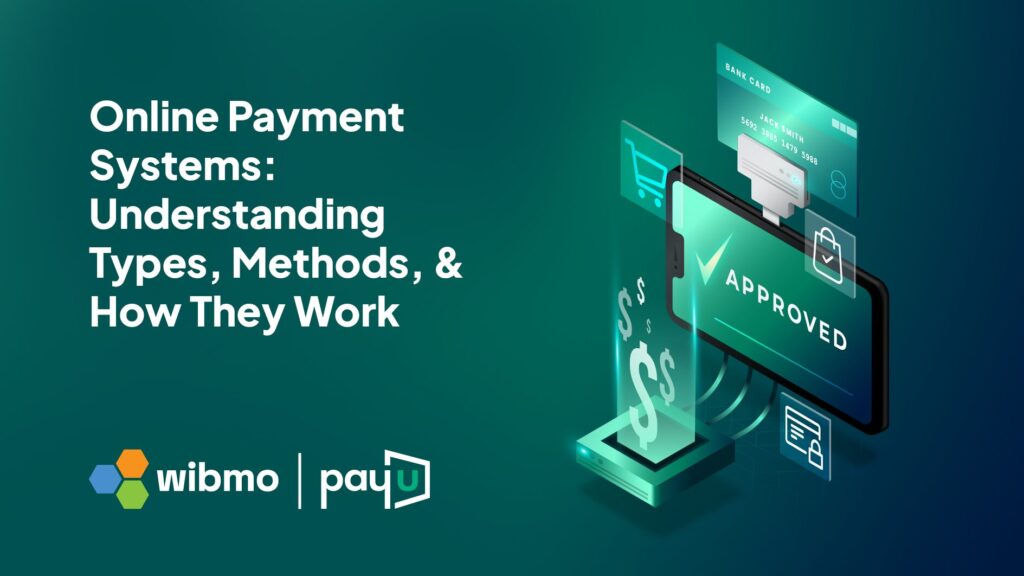
Online Payment Systems: Understanding Types, Methods, and How They Work 

As payments have shifted from physical cash to digital transactions, online payment systems have become essential to our daily routines. From buying groceries to subscribing to streaming services, the ease of online payments is undeniable. This blog will delve into the world of online payment systems, exploring their types, methods, and operational mechanisms. Understanding Online Payment Systems Online payment systems are electronic methods used to transfer money over the internet. They facilitate secure and efficient transactions between buyers and sellers, encompassing various methods such as credit and debit cards, digital wallets, and bank transfers. Types of Online Payment Systems How Online Payment Systems Work Understanding the mechanics of online payment systems involves knowing the key players and steps in processing a transaction: The process starts when a customer initiates a payment on a merchant’s website. The payment gateway encrypts the payment information and sends it to the payment processor. The processor then communicates with the issuing bank to verify the transaction. Once approved, the funds are transferred from the issuing bank to the acquiring bank, completing the transaction. Benefits of Online Payment Systems Security Measures in Online Payment Systems Security is crucial in online payment systems. Common measures include: Future Trends in Online Payment Systems Conclusion Online payment systems have transformed how we conduct transactions, offering unparalleled convenience, speed, and security. As technology advances, we can expect even more innovative and secure payment methods to emerge. Understanding these systems is crucial for both consumers and businesses to navigate the digital economy effectively. By grasping the intricacies of online payment systems, businesses can better meet their customers’ needs, ensuring seamless and secure transactions. Stay tuned to Wibmo for more insights into the world of digital payments!

Industry Insights, Reading List, Stories

Securing Digital Transactions During the Festive Season with Wibmo: A Trusted Partner for Seamless and Safe Payments

The festive season brings an immense surge in online shopping and digital payments. In 2023, Diwali sales alone saw a 49% increase in online transactions, along with a 35% rise in website traffic, making it one of the most lucrative periods for businesses. However, with this rise comes a higher risk of fraud and security breaches. Securing seamless transactions is essential for protecting both revenue and customer trust during this busy season. Wibmo Protect is designed to address these challenges, offering a comprehensive solution that ensures secure and frictionless transactions, even during the peak of the festive rush. How Wibmo Protect Safeguards Festive Transactions 1. Multi-Layered Security with Adaptive AuthenticationWibmo Protect uses dynamic, multi-factor authentication (MFA) to safeguard transactions by adapting security measures based on real-time risk. This reduces the friction for legitimate customers while ensuring robust protection against fraud. Given that the 2023 festive season saw a 72% spike in online sales just two days before Diwali, adaptive authentication is crucial to maintaining a seamless shopping experience without compromising security. 2. Real-Time Fraud Detection & PreventionThe festive season also brings an increase in fraudulent activities. Wibmo Protect’s AI-driven fraud detection engine continuously monitors transactions, instantly identifying suspicious patterns and blocking unauthorized activities in real-time. With eCommerce fraud expected to rise during high-traffic periods like Diwali, proactive fraud detection minimizes losses and protects businesses from financial threats. 3. Seamless Integration with Payment EcosystemsBuilt on industry-standard 3D Secure protocols, Wibmo Protect easily integrates into existing payment ecosystems, ensuring secure transactions without disruption. This is particularly important as conversion rates during the 2023 festive season increased by 22%, emphasizing the need for a frictionless user experience while handling high volumes of transactions. 4. Scalability for High Transaction VolumesThe Indian eCommerce sector recorded significant growth, with over ₹3.75 lakh crore in retail trade during Diwali 2023. Wibmo Protect’s scalable infrastructure is built to handle such high transaction loads, ensuring that businesses can maintain security and efficiency even when managing millions of transactions daily. 5. Compliance with Global and Local RegulationsWibmo Protect adheres to global standards like PCI-DSS and complies with local regulations, such as the RBI’s Additional Factor Authentication (AFA) guidelines. This guarantees that businesses remain secure and compliant, reducing the risk of regulatory fines during peak transaction periods. 6. Advanced Machine Learning for Fraud Pattern RecognitionWibmo Protect leverages machine learning to stay ahead of emerging fraud patterns. During high-traffic periods like the festive season, when fraudulent activities spike, Wibmo Protect’s system identifies and prevents new fraud attempts, ensuring businesses stay protected. Why Businesses Trust Wibmo Protect As businesses gear up for the festive season, securing digital transactions is crucial to providing a seamless shopping experience while protecting against fraud. With Wibmo Protect, businesses can confidently manage high transaction volumes and safeguard their customers from evolving threats during the festive season. Keep your payments secure this festive season with Wibmo Protect, your trusted partner for secure, seamless transactions.

Industry Insights, Reading List, Stories

Scams on the Internet: How to Spot Them and Stay Safe

The internet has become an essential component of our everyday life in the current digital era. Almost all facets of our lives, including banking, socializing, and employment, have shifted online. But the ease of using the internet also carries the risk of becoming a victim of fraud. Cybercriminals are continuously coming up with new ways to trick naïve people, and internet scams are becoming more common. The Federal Trade Commission (FTC) documented over 2.2 million fraud cases in 2023 alone, resulting in losses of over $8.8 billion, underscoring the critical need for awareness and prudence. This blog will discuss typical internet scam types, how to identify them, and important online safety advice. Common Types of Internet Scams How to Spot Internet Scams Tips to Stay Safe Online Bottomline Internet scams are an unfortunate reality of the digital age, but by staying vigilant and informed, you can protect yourself from falling prey to cybercriminals. Remember to always verify the source of online communications, use strong passwords, and be cautious of offers that seem too good to be true. By following these tips and educating yourself about common scams, you can enjoy the benefits of the internet while staying safe and secure.

Industry Insights, Reading List, Stories

Unveiling the Future: Fintech Innovations Redefining Finance in 2024

As we navigate the intricate landscape of finance, the year 2024 unfolds with a myriad of fintech innovations that promise to reshape the industry fundamentally. Fintech, a portmanteau of “financial technology,” has become synonymous with innovation and disruption, revolutionizing how we manage, invest, and transact in the digital era. In this comprehensive blog, we’ll explore the groundbreaking fintech trends that are set to dominate the stage in 2024. Decentralized Finance (DeFi): Decentralized Finance, or DeFi, stands at the forefront of fintech innovation in 2024. This paradigm shift involves leveraging blockchain technology to create a decentralized financial ecosystem that operates outside traditional banking systems. DeFi platforms facilitate peer-to-peer lending, borrowing, and trading without the need for intermediaries. Smart contracts on blockchain networks ensure transparency, security, and efficiency in financial transactions. As we move forward, the DeFi space is expected to mature, offering more sophisticated financial services while challenging the conventional norms of the finance industry. Central Bank Digital Currencies (CBDCs): Central Bank Digital Currencies are gaining prominence as central banks worldwide explore the digitization of national currencies. In 2024, CBDCs are not just theoretical concepts but tangible initiatives that aim to provide a secure and regulated digital alternative to physical cash. Countries like China have made significant strides in piloting CBDCs, aiming to enhance the efficiency of financial transactions, reduce costs, and ensure greater financial inclusion. The widespread adoption of CBDCs holds the potential to redefine the global monetary landscape. AI-Powered Personalization: Artificial Intelligence (AI) continues to be a driving force in fintech, particularly in the realm of personalization. In 2024, AI is set to transform the user experience by providing hyper-personalized financial services. Machine learning algorithms analyze vast datasets to understand user behaviors, preferences, and financial patterns. Fintech platforms leverage this data to offer tailored investment advice, customized budgeting tools, and personalized recommendations. AI-driven personalization not only enhances user satisfaction but also fosters a deeper connection between users and their financial platforms. Embedded Finance: Embedded finance is revolutionizing the way financial services are delivered by seamlessly integrating them into non-financial platforms. In 2024, we witness the expansion of embedded finance into various sectors, allowing users to access financial services without the need to switch between different applications. E-commerce websites, social media platforms, and even ride-sharing apps now offer embedded financial services such as payments, loans, and investments. This trend is breaking down traditional silos, creating a more interconnected digital ecosystem. Green Fintech: Sustainability takes center stage in 2024, and fintech is not exempt from this global shift towards environmental responsibility. Green fintech initiatives are emerging to address climate concerns and promote eco-friendly financial practices. This includes the development of digital currencies with lower carbon footprints, sustainable investment platforms that prioritize environmental, social, and governance (ESG) factors, and tools that encourage responsible spending and consumption. Fintech is becoming a driving force for positive environmental change, aligning financial activities with broader sustainability goals. Biometric Authentication: The quest for enhanced security in financial transactions has led to the widespread adoption of biometric authentication methods. In 2024, we see a surge in the use of biometrics, such as facial recognition, fingerprint scans, and voice recognition, to verify user identities. These advanced authentication methods provide an extra layer of security against fraud and unauthorized access. As fintech platforms prioritize user safety, biometric authentication is becoming integral to ensuring secure and convenient financial transactions. The year 2024 marks an important turning point in the growth of fintech when creativity and technology combine to reshape the financial environment. From the decentralized revolution of DeFi to the digitization of national currencies via CBDCs, the fintech industry is undergoing transformational change. AI-powered personalization, embedded finance, green fintech efforts, and biometric authentication all work towards a future in which financial services are not just technologically advanced but also sustainable, secure, and seamlessly interwoven into our daily lives. As we welcome the advancements in fintech, it’s crucial to acknowledge their profound impact on money management. Heading into 2024, the future of financial technology promises ongoing empowerment, bridging financial divides, and fostering a more inclusive and sustainable global economy. Leading this transformative journey is Wibmo, a key player in fintech, utilizing innovative technologies. With our robust payment security and digital payment services, we play a pivotal role in seamlessly integrating financial services, ensuring heightened security and transaction efficiency. In this era of significant shifts in the financial industry, we are happy to be able help banks and fintech firms in reshaping the landscape of finance. 2024 Trends, 2024 Trens, Digital Finance, Financial Services, Fintech, Fintech Trend

Reading List, Stories

Unveiling the Unseen: eCommerce Fraud Prevention Secrets You Need to Know

As the popularity of eCommerce grows, so does the risk of fraud targeting online firms. The digital sphere offers enormous prospects for expansion, but it also attracts clever fraudsters looking to exploit flaws in payment systems and transactions. In this blog article, we’ll delve into the lesser-known parts of eCommerce fraud prevention, revealing the methods, technologies, and best practices that may protect your business and foster client trust. The Evolving Landscape of eCommerce Fraud eCommerce fraud comes in various forms, from stolen credit card information and account takeovers to sophisticated phishing attacks. As businesses adapt to new technologies and consumer preferences, fraudsters adjust their tactics accordingly. Understanding the dynamic nature of eCommerce fraud is the first step toward building a resilient prevention strategy. Account Takeovers (ATO): ATO occurs when fraudsters gain unauthorized access to customer accounts. This can lead to unauthorized purchases, misuse of stored payment information, and identity theft. Preventing ATO requires robust authentication mechanisms, including multi-factor authentication and behavioural analytics. Card-Not-Present (CNP) Fraud: With the rise of online shopping, CNP fraud has become a significant concern. Fraudsters use stolen card details to make online purchases where the physical card is not required. Address Verification System (AVS), 3D Secure, and machine learning algorithms are essential tools for preventing CNP fraud. Friendly Fraud: Contrary to its name, friendly fraud is far from friendly. It occurs when a legitimate cardholder disputes a transaction, often claiming they didn’t make the purchase. Friendly fraud can be mitigated by clear communication, transparent billing descriptors, and comprehensive transaction records. Synthetic Identity Fraud: Synthetic identity fraud involves creating fake identities using a combination of real and fictitious information. These synthetic identities are then used to open accounts and make fraudulent transactions. Advanced identity verification methods and data analysis are crucial for detecting synthetic identity fraud. eCommerce Fraud Prevention Strategies Multi-Factor Authentication (MFA): Implementing MFA adds an extra layer of security by requiring users to provide multiple forms of identification. This could include passwords, biometric data, or one-time passcodes, significantly reducing the risk of unauthorized access. Machine Learning and Artificial Intelligence (AI): Leveraging machine learning and AI enables real-time analysis of vast datasets to identify patterns and anomalies indicative of fraudulent activities. These technologies continually learn and adapt to new fraud tactics, staying one step ahead of cybercriminals. Geolocation and Device Fingerprinting: Examining the geolocation of transactions and creating unique device fingerprints help in detecting suspicious activities. Unusual transaction locations or device behaviors can trigger alerts for further investigation. Behavioral Analytics: Analyzing user behavior helps create a baseline for normal activity. Deviations from this baseline, such as sudden changes in spending patterns or the use of unfamiliar devices, can be indicative of fraudulent behavior. Real-Time Transaction Monitoring: Implementing real-time monitoring systems allows businesses to spot and respond to suspicious transactions instantly. Automated alerts can be set up to trigger when certain criteria associated with fraud risk are met. 3D Secure Authentication: 3D Secure is an additional layer of security for online credit and debit card transactions. It adds an extra step of authentication, often requiring a one-time passcode sent to the cardholder’s mobile device, enhancing the security of online transactions. Fraud Scoring Systems: Employing fraud scoring systems assigns a risk score to each transaction based on various parameters. Transactions with high-risk scores can be subjected to additional scrutiny or declined altogether. Customer Education: Educating customers about safe online practices, secure password management, and recognizing phishing attempts can significantly reduce the risk of account takeovers and fraud. Clear communication builds a sense of security and trust. Best Practices for eCommerce Fraud Prevention Regularly Update Security Protocols: Stay ahead of evolving fraud tactics by regularly updating and enhancing your security protocols. This includes adopting the latest encryption standards, security patches, and fraud prevention technologies. Secure Payment Gateways: Choose reputable and secure payment gateways that prioritize the protection of sensitive customer data. Secure Sockets Layer (SSL) encryption is fundamental for securing online transactions. Monitor Chargeback Rates: High chargeback rates can be indicative of fraud or customer dissatisfaction. Monitoring chargeback rates allows businesses to identify and address issues promptly. Data Encryption: Implement end-to-end encryption to safeguard customer data throughout the entire transaction process. This ensures that even if intercepted, sensitive information remains unreadable. Regularly Train Staff: Educate your staff on the latest fraud trends, prevention techniques, and the importance of adhering to security protocols. An informed and vigilant team is an essential component of your fraud prevention strategy. Implement Device Authentication: Device authentication ensures that transactions are initiated from trusted and recognized devices. Unfamiliar devices may trigger additional verification steps to confirm the legitimacy of the transaction. Bottomline As eCommerce continues to thrive, so does the need for robust fraud prevention measures. By understanding the evolving landscape of eCommerce fraud, implementing cutting-edge technologies, and adopting best practices, businesses can significantly reduce the risk of falling victim to cybercriminals. A comprehensive fraud prevention strategy not only protects the business but also fosters trust and confidence among customers, contributing to long-term success in the dynamic world of online commerce. Stay informed, stay secure, and empower your eCommerce venture to flourish in the digital age. Author: Animesh Jha, Vice President, Engineering — Fraud & Risk Management Wibmo A PayU/Naspers FinTech Company Ecommerce, Fraud Prevention, Online Fraud, Online Fraud Detection, Online Payment Fraud

Reading List, Stories

Empowering the Unbanked: Offline Digital Payments and Financial Inclusion in India

India, with its vast and diverse population, has made significant strides in the realm of digital payments in recent years. However, a considerable segment of the population still remains unbanked or underbanked, primarily due to limited access to financial services. Offline digital payments have emerged as a promising solution to bridge this gap, fostering financial inclusion and empowering individuals who have been on the fringes of the formal financial system. Understanding Financial Inclusion Financial inclusion is a multifaceted concept that goes beyond merely having a bank account. It encompasses access to a range of financial services, including savings, credit, insurance, and payment services. The goal is to provide individuals and businesses, particularly those in underserved and remote areas, with the tools and resources needed to participate fully in the economy. Challenges to Financial Inclusion in India Several challenges have historically hindered financial inclusion in India: 1. Limited Access to Banking Infrastructure: Many rural areas lack physical banking infrastructure, making it challenging for individuals to access basic financial services. The cost and effort required to establish brick-and-mortar branches in these areas have been significant barriers. 2. Low Financial Literacy: A significant portion of the population, particularly in rural and remote areas, lacks financial literacy. Understanding the nuances of traditional banking services can be a barrier to entry into the formal financial system. 3. Documentation Requirements: The documentation required to open a bank account can be a hurdle, especially for those who may not have the necessary identification papers. This often excludes a substantial portion of the population from mainstream financial services. 4. Technological Barriers: While the penetration of smartphones has increased, a considerable number of individuals still use feature phones or have limited access to the internet. This poses a challenge to the adoption of traditional digital payment solutions. Offline Digital Payments: A Catalyst for Inclusion Offline digital payments have emerged as a transformative force, overcoming many of the barriers to financial inclusion in India. These solutions leverage technology to enable transactions without the need for a continuous internet connection, making them particularly relevant in areas with intermittent connectivity. Let’s delve into the ways in which offline digital payments are contributing to financial inclusion. 1. Access Anytime, Anywhere: Offline digital payment solutions empower users to conduct transactions regardless of their location or the availability of internet connectivity. This is especially crucial in remote and rural areas where traditional banking infrastructure is limited. 2. Reduced Reliance on Physical Infrastructure: By eliminating the need for physical branches or ATMs, offline digital payments reduce the cost and logistical challenges associated with building and maintaining banking infrastructure. This is a game-changer for reaching unbanked populations in geographically dispersed regions. 3. Simplified User Experience: Offline payment methods are designed to be user-friendly, requiring minimal technical know-how. This simplicity is key in overcoming the barrier of low financial literacy, enabling individuals with varying levels of education to participate in the formal financial system. 4. Biometric Authentication: Leveraging biometric authentication methods, such as fingerprints or iris scans, offline digital payment solutions offer a secure and convenient way for individuals to access their financial accounts. This is particularly beneficial in areas where traditional identification documents may be scarce. 5. Financial Inclusion for Merchants: Offline digital payments extend beyond individual users, providing opportunities for small businesses and merchants. By accepting offline digital transactions, even in areas with intermittent internet connectivity, merchants can expand their customer base and participate more actively in the digital economy. 6. Government Initiatives: Recognizing the potential of digital payments to drive financial inclusion, the Indian government has launched initiatives like Aadhaar Pay and UPI (Unified Payments Interface). These initiatives leverage biometrics and mobile numbers to facilitate secure offline digital transactions. 7. Financial Products and Services: Offline digital payments pave the way for the delivery of a range of financial products and services to previously underserved populations. This includes access to credit, insurance, and savings products tailored to the unique needs of different segments of the population. Challenges and Considerations While offline digital payments hold immense promise for financial inclusion, certain challenges and considerations need to be addressed: 1. Security Concerns: Ensuring the security of offline transactions, especially in areas with limited connectivity, is paramount. Robust security measures, including encryption and biometric authentication, are essential to protect users from potential risks. 2. Infrastructure Development: While offline digital payments reduce the reliance on physical banking infrastructure, there is still a need for ongoing efforts to enhance digital infrastructure, including the development of reliable networks and the availability of affordable smartphones. 3. Regulatory Framework: A conducive regulatory framework is crucial for the widespread adoption of offline digital payments. Clear guidelines and policies that foster innovation while ensuring consumer protection will play a pivotal role in shaping the future of these solutions. 4. Collaboration Among Stakeholders: Successful implementation of offline digital payment solutions requires collaboration among various stakeholders, including government agencies, financial institutions, technology providers, and local communities. A coordinated effort is essential to address the multifaceted challenges of financial inclusion. Bottom line: Offline digital payments represent a transformative force in the journey towards financial inclusion in India. By addressing the challenges of limited access to banking infrastructure, low financial literacy, and intermittent connectivity, these solutions empower individuals and businesses to participate fully in the formal financial system. As we move forward, it is imperative to continue innovating, address security concerns, and foster a collaborative environment that embraces the diverse needs of the population. The vision of a financially inclusive India can be realized through the thoughtful integration of offline digital payment solutions, ensuring that no one is left behind in the digital era. BaaS

Reading List, Stories

BIN Attack Fraud

Card not present (CNP) transactions are those where the purchase is made without presenting the physical card to the merchant at the point of sale. As more and more physical stores are using EMV-compliant terminals, Javelin Strategy & Research credit card fraud statistics report that card-not-present fraud is now 81% more likely to happen than card-present fraud. Card-not-present transactions can be done via online merchants, telephone orders, or mail. There are various modus operandi to commit CNP fraud, such as account takeover using phishing scams, malware infection to capture keystrokes, or friendly fraud. In such scenarios, the cardholder is involved in the fraud, and it is kind of a personalised attack. However, today we will talk about an impersonal attack where a fraudster exploits a BIN (bank identification number) and uses distributed computing power to automatically generate the remaining numbers and test these combinations to see which card numbers are correct and if the cards are active. This kind of attack is called BIN attack fraud. The subtlety of BIN Attack fraud is that it does not involve any data breach or ID theft; it is just a pure random coincidence that a victim’s card number is chosen. The compromised cards can have a significant impact on issuing banks in terms of chargebacks, call c entre volume spikes, and re-issuance expenses. Furthermore, any cardholder disruption or friction during this tenure leads to a loss of interchange revenues. The damage to the bank’s reputation could lead to cardholders switching the bank’s services to another, more secure bank. A merchant involved in BIN attack fraud faces increased disputes or chargebacks, additional fees, and regulatory fines. Depending on the nature of the attack and risk profile, the acquiring bank may choose to suspend support for the merchant’s site. The cardholder’s bank may restrict purchases from your site, resulting in further financial losses. Refunding any fraudulent transactions is an operational challenge, not to mention the reputational loss. Thus, BIN attack fraud is a problem both for issuers and merchants. Preventing a BIN Attack Fraud To prevent BIN attack fraud, the merchant or the issuing bank can deploy a few techniques: Enable 3D security. The latest version of EMV 3DS 2.x is an additional security layer for online credit and debit card transactions that aims to achieve a balance between security and user convenience. As a merchant, enable a CAPTCHA test to tell humans and bots apart. While this may create friction for genuine customers, it’s an effective deterrent against BOT scripts. Deploy an anti-fraud solution that can look at many aspects and block transactions or alert your fraud analyst. A good anti-fraud solution should have: Ability to spot multiple low-value transactions (unusually low for the merchant’s business). Multiple declines within a short period The timing of transactions may be unusual for the merchant, business, or cardholder. A large number of transactions from the same BIN were attempted in a short period of time (a few seconds apart). IP Velocity Checks: Even though these days, through proxy and spoofing, fraudsters can make it seem that the transactions are coming from different IPs, Use an anti-fraud solution that deploys good device fingerprinting techniques to solve this issue, as fingerprinting is impervious to IP proxies. Unusually large volume of international transactions for a given merchant or for a cardholder. Look for patterns, cards with sequential numbers, the same card number but different expiration dates, or CVV codes. Ability to create a profile for the merchant and cardholder and alert in case of any significant deviations. There are a few additional measures that the industry could take, such as creating advisory, actionable intelligence, and a listing of sites that anti-fraud tools can take advantage of. EMV 3DS 2.x allows merchants and acquirers to do a risk assessment prior to making an EMV 3DS authentication call to the issuer. A combined risk assessment from both the acquiring and issuing sides acts as a strong deterrent to fraudsters. Both issuers and acquirers can pool their intelligence and create a shared intelligence pool of fraud markings to identify common points of fraud. Information on declines on the switch side during authorization when fed into 3DS authentication ACS gives actionable intelligence to anti-fraud tools. BIN attack fraud is still a crude brute-force attack vector that is detectable, and preventive measures can be taken to interrupt it. A well-informed merchant and bank implementing a defensive anti-fraud solution that keeps itself abreast of the latest advisories combined with continuous monitoring of anomalous behaviour can stay a step ahead of this kind of fraudulent attack. Author: Ajit Nair, Director Product Management Wibmo A PayU/Naspers FinTech Company Cnp, Fraud, Fraud Prevention, Payment Fraud, Payments

Scroll to Top