Fraud Detection

Industry Insights, Product, Reading List

Wibmo Protect — Adaptive Multi-Factor Authentication Solution

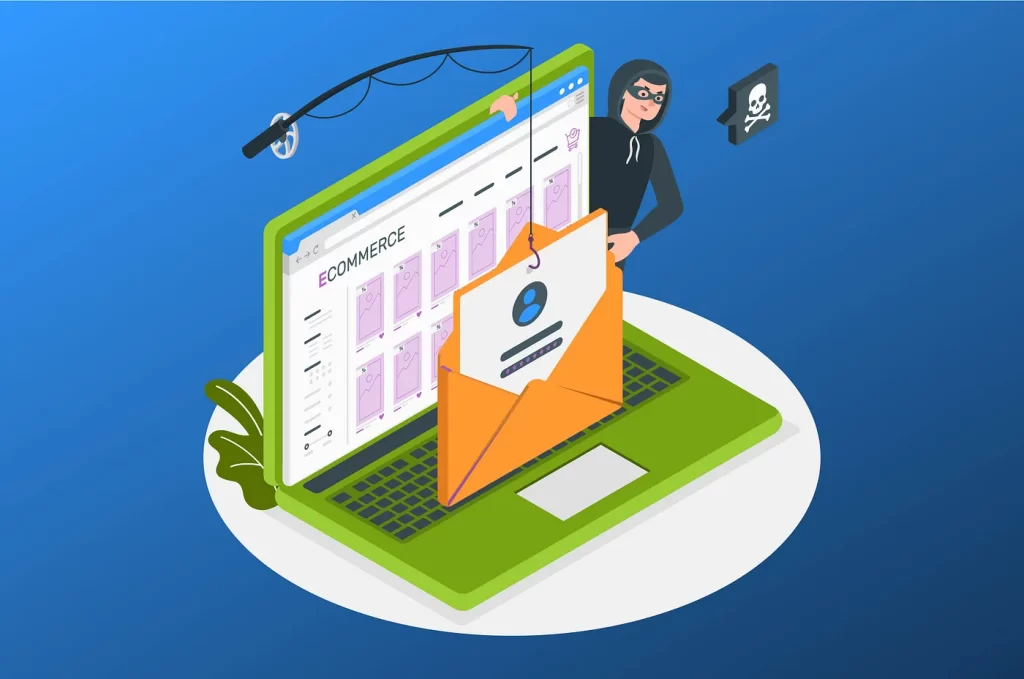
The Reserve Bank of India (RBI) has embarked on a transformative journey by proposing a Principle-Based Framework for the authentication of digital transactions. This pioneering initiative underscores the RBI’s commitment to fostering a secure, seamless, and customer-centric digital payments ecosystem. The primary objective of this framework is to propel the adoption of alternative authentication mechanisms, transcending the traditional SMS OTP paradigm. By embracing innovative authentication solutions, the RBI seeks to elevate the customer experience while fortifying the security infrastructure of digital payments. Furthermore, this strategic move is poised to empower businesses to embark on a journey of innovation, enabling them to explore cutting-edge solutions while upholding the highest standards of security and integrity. In essence, the Principle-Based Authentication Framework heralds a new era of digital transactions, characterized by enhanced security, heightened user experience, and unparalleled innovation. Challenges with OTP Authentication: Traditional SMS OTPs, while prevalent, present significant limitations and risks. They heavily rely on mobile service providers, are susceptible to interception, and contribute to transaction delays and failures, leading to user frustration and financial losses. Limitations of Traditional SMS-Based OTP Authentication: – Reliance on Mobile Service Providers: SMS OTPs are entirely dependent on mobile service providers, making them susceptible to network coverage issues and unable to support offline mode. – Inadequate Support for Cross-Border Transactions: Due to network dependencies, SMS OTPs face challenges in facilitating cross-border transactions and international access. – High Transaction Authentication Failure Rate: In the current scenario, the authentication failure rate for card transactions using SMS OTPs averages between 5% to 8%, primarily due to network dependencies. – Vulnerability to Cyber Threats: SMS OTPs are prone to interception, phishing, MITM attacks, and sim swapping, lacking robust protection for authorized access. – Rising Instances of Fraud: Cybercrimes, including fraud cases involving SMS OTPs, have surged, with approximately 1.1 million fraud cases registered in 2023, amounting to Rs 7,488.6 crore. Additionally, UPI fraud cases reached over 95,000 in the 2022–23 fiscal year. – User Experience Disruptions: Delays or delivery failures in SMS OTPs disrupt the user experience, leading to frustration and contributing to merchant conversion losses. – Increased Operational Costs: Constant intervention is required to manage authentication experiences across various channels, leading to additional costs. The average SMS cost per transaction is 12 paise, which escalates based on the chosen channels. Wibmo Protect: A Revolutionary Solution: Wibmo Protect, a cutting-edge platform, aligns seamlessly with the RBI’s framework. Utilizing a risk-based contextual authentication approach, it leverages machine learning and deep data analytics to detect and prevent fraudulent transactions in real-time. Contextual authentication further enhances security, enabling swift and secure payments without OTPs. Key Benefits of Wibmo Protect: Wibmo Protect offers a multitude of benefits, including: – Fraud Detection & Prevention – Dynamic Risk-based Authentication – Preference-based authentication with multiple modes – Multi-channel support for various transaction types – Reduced chargebacks and increased revenue growth – Merchant opt-out feature – Enhanced consumer authentication experience Wibmo Protect combines three powerful modules: 1. Access Control Server (Accosa ACS): A holistic payment authentication platform integrated with an intelligent risk engine. 2. Enterprise Trident FRM: A comprehensive cross-channel, self-learning risk assessment engine. 3. Tridentity: A multifactor out-of-band authentication solution offering secure, password less authentication. Wibmo Protect emerges as a game-changer in digital transaction security. By embracing innovative technologies and adaptive authentication methods, it sets new standards for security, efficiency, and customer satisfaction. With its comprehensive suite of modules, Wibmo Protect stands as a beacon of trust and reliability in the evolving landscape of digital transactions. Through continuous innovation and commitment to security, Wibmo paves the way for a secure and seamless digital future. Author: Anand K Khanna, Product Manager — Fraud & Risk Management Wibmo A PayU/Naspers FinTech Company Digital Payment, Fraud Detection, Multi-Factor Authentication, Payment Security, RBI
Industry Insights, Product, Reading List

UPI Fraud Trends and Their Possible Mitigation

With over 2 billion transactions worth over INR 4.5 trillion processed every month, India’s United Payment Interface (UPI) has revolutionized the digital payment ecosystem. UPI has been emerging as the most preferred payment method among Indians. However, at the same time, we are witnessing a rise in fraudulent transactions in recent times. A total of 1,46,495 unified payments interface (UPI) fraudulent activities were reported on the National Cybercrime Reporting Portal (NCRP) during the first and second quarters of 2022, as per the Ministry of Home Affairs (MHA). Up until now, banks and financial institutions have predominantly relied on educating consumers against fraud. But, in cases of fraud, the consumer is at the mercy of the grievance process, which adversely affects the consumer experience and dents customer loyalty. Fraud Trends and Their Possible Mitigation Impersonating Sellers and Customer Care It is more of a habit to google customer care contacts when facing issues with our online purchases. Fraudsters are flooding the internet with fake customer care details to lure in consumers. After gaining the trust of gullible customers over the phone, refund collect requests are shared via QR codes, SMS links, and so on. Financial institutions can integrate with technological solutions that detect and alert the customer in the event that a payment is made over the phone. Spoofed VPA IDs In the name of disaster relief or support, fraudsters created multiple spoofed VPA IDs that are remarkably similar to the original ones. In recent times, we witnessed an unprecedented rise in VPA IDs, similar to the PM Cares Fund. Maintaining a list of suspicious keywords such as support, relief, care, disaster, army, minister,” etc. and running risk rules over transactions being made to VPA IDs containing high-risk keywords have the potential to curb fraudulent transactions. Screen mirroring apps and malware Through malicious links, fraudsters get consumers to download screen-sharing or remote-access apps or malware. Once installed, the fraudster gains access to confidential UPI details, which are then used in combination with other modus operandi, such as SIM-swapping. Payment apps should have the capability to detect potential malicious apps already downloaded on the device and restrict payments from going through. Collect Request Through classified ads, fraudsters initiate conversation with sellers they are impersonating as potential buyers. Creating a sense of urgency, the fraudster intends to make a quick payment without much negotiation and sends a collect request, sometimes in the form of a QR code. The VPA IDs used by fraudsters are generally gibberish and at times have numbers or alphabets in sequence. Banks or financial institutions’ apps should have the capability to detect such patterns on beneficiary VPA handles. UPI has made digital payments more accessible and convenient for millions of people in India, and it is expected to continue to play a significant role in India’s digital payments ecosystem in the coming years. With continued efforts of educating consumers against frauds, banks and financial institutions should leverage the technological advancements against the mushrooming UPI frauds. Author: Sujit Kumar Mahato, Product Manager Wibmo A PayU/Naspers FinTech Company BaaS

Reading List, Stories

True Cost of Combating Payment Frauds

A quick recap of major players involved in payment transactions : 1. Customer 2. Issuer Bank — holding the customer’s bank account 3. Payment Networks — Visa, Mastercard, NPCI, etc 4. Merchant 5. Acquirer Bank — holding the merchant’s bank account In simple terms, Payments Fraud is the one where someone made unauthorized payments/purchases. Though the liability of fraud differs(customer/merchant/banks etc) on a case-to-case basis, someone in the payment system has to finally bare the brunt and mark the money as lost in their respective books. Fraud is a global issue that affects not only individuals but also organizations — merchants, banks, insurance companies, and who so ever is dealing with payments. Payments frauds have been crippling every country across the globe and according to recent studies, the epidemic of payment fraud has been growing over the recent years. When it comes to payments, there are 2 major elements – 1. FALSE NEGATIVE — when an act of fraud goes undetected and through the payment system 2. FALSE POSITIVE — when a faulty fraud detection system blocks a legitimate transaction. Anti-fraud solutions and fraudsters are caught in a cat-and-mouse game. Both have been leveraging technological innovations to meet their underlying need and eventually adding to the cost of combating fraud. Whenever we come across the term COST, our first thought is that it’s a mere cumulation of expenses incurred in producing or building a product or service. However, in financial terms, the cost is segregated into — Direct Cost and Indirect Cost. The majority of the time, indirect costs are neglected when it comes to deriving the actual cost of a project due to the difficulty associated with deriving a cost-effective methodology for the assignment of indirect costs. When it comes to defining the cost associated with fraud, organizations generally tend to consider the amount lost in the fraud process. These numbers are a significant percentage of the topline revenue. Moreover, it’s a concerning fact that even less than 20% of businesses are able to fully recover the amount from unauthorized transactions and other fraudulent activities. Apart from the obvious Direct Cost — fraud amount value — associated with the transaction, the Indirect Cost often goes unnoticed. Cost of Combating Fraud: Huge infrastructure and resources — manual as well as technological are deployed by organizations in payment authentication and authorization. The cumulative loss arising from both False Positive and False negative scenarios burn a larger hole in terms of operational efficiency. Cost to Reputation: Businesses incurs huge cost when it comes to building a reputation of trust through the marketing function which employs varied techniques to increase the perceived value of a product or service over time. Undetected frauds and consequent delays in grievance redressal often leave the customer/merchant with a bad experience with their respective banks and also with the payment entities involved in the process. Cost of declining Genuine transactions: High False positive rates can leave the customers/merchants frustrated. Organizations leave no stone unturned through sales and marketing and customer support to acquire and retain a customer. In the era of fierce competition, if one thinks Customer acquisition is hard, think about the retention of a frustrated customer. It is somewhat now possible to measure fraud and error losses but one needs to surely factor in the Indirect Costs in order to make a proper judgment about a proportionate level of investment to be made in reducing them through the deployment of anti-fraud tools. Direct costs associated with fraud are just the tip of the iceberg and give even less than half a picture of the menace lying underneath. Author: Sujit Kumar Mahato, Product Manager Wibmo A PayU/Naspers FinTech Company Anti Fraud Management, Digital Payment, Fraud Detection, Fraud Prevention, Online Payments

Reading List, Stories

RETURN FRAUD- The e-commerce way of Shop-Lifting

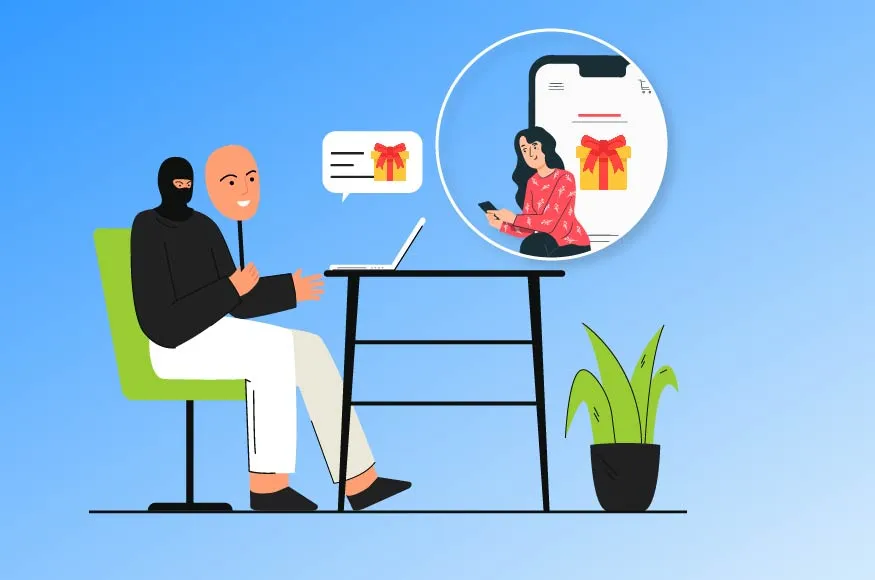
The pandemic changed the way consumers shopped. A black swan event changed consumer behavior and Online shopping is one of the segments to reap benefits. The pandemic and the exponential growth in e-commerce forced traditional brick-and-mortar shops to adapt to the evolution. Pre-pandemic brick-and-mortar shops kept a cautious eye on shoplifters but the e-commerce boom came up with its own shoplifting nemesis, say Hello to RETURN FRAUD. Fraudsters abuse the retailer’s fraud policy which was actually created for customer delight and it’s the smaller e-retailers who bear the brunt of Refund Fraud. The modus operandi of Refund Frauds differs from traditional frauds as it takes place post transaction — once the goods have exchanged ownership from the merchant to the consumer. A thriving ecosystem, Fraud-as-a-Service (Professional Refunders) has come into place to support those who wish to take advantage of lax return policies without actually having to go through the process. Reddit and Discord channels are leveraged as promotional grounds for these Illegal Life Pro Tips (ILPT) Modus Operandi 1. Everything is legitimate during the online transaction. Fraud is initiated once the good is received by the consumer. 2. Consumer goes to a Professional Refunder who charges a percentage cut on the refund value. 3. Refunder impersonates the Consumer 4. Refunder initiates the escalation with the merchant and uses the PERFECTED METHODS to get a refund without returning the product. A few of the Perfected Methods : a) Substance Leak — With doctored images/videos refunders report hazardous breakage such as monitor capacitor leakage, or battery acid leakage, thus making the product legally un-shippable. b) Partially Empty Box — Generally used for tracked shipping where the package is claimed to have arrived but has missing components. c) Fake ID Tracking Numbers — A properly weighed package is returned back without the actual goods. The shipping address is doctored to a new but incorrect address. Refunder then initiates a return claim with the merchant — to whose naked eye the package appears to be shipped and delivered back. d) Blood or Maggots — Claiming of finding questionable substances (again, doctored images/videos) in the product received and thus a reason for why one can’t possibly handle the opened package. Refund Fraud not only is a concern to merchants but also runs a risk of putting consumers’ virtual assets at risk such as email, passwords, card details, etc — as refunders offer Fraud-as-a-Service, access to the buyer account. Apart from the complicated methods listed above employed by professional refund fraudsters, consumers, with a Robin Hood mentality, too are learning about refund fraud and executing Refund Fraud as : a) Bricking: A working item ( generally electronic items) is purchased with the intention to be returned after stripping down the valuable component and rendering the item eventually unusable. b) Wardrobing: Majorly observed with expensive clothing. An item is purchased, used, and eventually returned. c) Switch Fraud: Returning a previously owned defective or damaged identical item with the aim of cashing on to the refund. Be it the retailers or the e-retailers have a return policy in place but a fine balance needs to be maintained — neither overly complex nor overly relaxed. The process of refund dents a blow to the bottom line not only in terms of labor involved in the process but also in refurbishing the returned items. Trying to avoid Return Fraud by adding manual resources will be a mountain task in this era of data where organizations are sitting on a mountain of data as well as leveraging data from other sources. Multiple data enrichment tools provide services as quick reverse checks on multiple data points for instance email addresses. Current innovations in fraud detection software over the recent years have made it possible to curb the menace of fraud even with very little technical knowledge. Author: Sujit Kumar Mahato, Product Manager Wibmo A PayU/Naspers FinTech Company Fraud, Fraud Detection, Fraud Prevention, Return Fraud, Risk Management

Industry Insights, Product, Reading List

Importance of Fraud and Risk Management Solutions for Financial Institutions

Technology and trust must go hand in hand Technologies are undoubtedly transformative for businesses and their customers. But to fully deliver the promised benefits, technologies must consciously build trust amongst all legitimate users and stakeholders. Trustworthiness is becoming critical by the day in an increasingly digital world because of the rising incidence of online fraud. Just as quality at the source is a mantra for manufacturing companies, the detection, and prevention of fraudulent transactions as soon as they originate is important for banks and financial institutions. At the same time, customer convenience has to be balanced out. Regulators expect banks to enhance their digital abilities to detect/prevent frauds/crimes Regulators play a key role in ensuring the safe, smooth, and efficient functioning of the banking and financial systems within their individual jurisdictions. As such, central banks worldwide have begun to tighten various regulatory requirements in order to reduce the risk of fraud made possible by technological or process loopholes in the systems used by banks and other financial institutions. In March 2022, the Bangko Sentral NG Pilipinas (“BSP”, the central bank of the Philippines), published amendments to its “Regulations on Information Technology Risk Management” with the specific objective of enhancing customer protection. To ensure that digital banking channels are made safer and more reliable, the BSP requires banks operating in the Philippines to implement automated and real-time fraud monitoring and detection systems capable of identifying and blocking suspicious or fraudulent online transactions. Starting 1 September 2022, banks must be prepared to show BSP their action plans; and full compliance with a readiness plan is expected by 31 December 2022. While the Fraud Management systems implemented must commensurate with the bank’s operations and the scope of its digital platforms, BSP does expect that the solutions that banks put in place will, at a minimum, deliver the following capabilities: · Monitoring, collecting, and analyzing transaction data arising from all physical and digital banking and non-banking channels; · Integration with the bank’s Anti Money Laundering (AML) systems to provide a more robust and comprehensive mechanism to prevent financial crimes (and not just detect them); · Building customer profiles and analyzing behavior to detect frauds based on changes in usage patterns; and · Secure scalability to handle growing transaction volumes. FRM solutions must give robust Fraud detection and prevention capabilities without damaging customer relationships Frauds and other operational risks not only damage customer confidence in individual banks (and the banking system as a whole) but can also lead to financial losses (reparations, penalties) and harm your brand/reputation. Clearly, the costs of not having a state-of-the-art Fraud & Risk Management System (FRMS) are high. While there are many FRMS solutions out there, not all of them are equally efficacious. This is because each one uses different protocols to detect and analyze risks and thereafter, determine further courses of action. Wibmo’s Trident FRM platform offers multiple advantages Wibmo’s Trident is an enterprise fraud and risk management platform that uses advanced authentication protocols and ML-driven statistical models. Our platform makes approval/ challenge/ decline decisions based on rigorous, real-time assessment of more than 100 parameters related to the device, user, and transaction (e.g., merchant, location, IP address, time of the transaction, value, etc.). This Risk-Based Authentication (RBA) approach provides a more robust and reliable assessment of the risk of every individual transaction. The omnichannel capability of the platform is an added advantage wherein the bank’s operations team gets a central view of their customer’s transactions across channels For banks operating in the Philippines, Trident can ensure full compliance with BSP’s amended regulations within the stipulated timeframe. However, irrespective of where your bank operates, there are many other reasons why Trident could be the right FRMS solution for your bank: · Many banks rely on disparate legacy systems and point solutions for specific functions (e.g., AML, branch-based KYC transactions, etc.). Integrating data from myriad systems is neither easy nor efficient; the chain is only as strong as the weakest link. Therefore, our risk management platform is API-driven. What is more, it uses 360o degree customer data and insights to detect anomalous behaviors that might indicate fraud or misuse. · Trident is sensitive to the need for banks to deliver a seamless, speedy, and superior customer experience for every legitimate transaction; this minimizes customer friction– key to building loyalty and enhancing lifetime value. · Customers (and fraudsters) can use multiple channels to effect transactions (e.g., 3DS, mobile payment, ATM/POS, online retail/corporate banking). The FRMS solution your bank adopts must be able to function equally effectively- and seamlessly- across channels (to handle situations where customers legitimately switch channels). Our platform uses AI/ML to safeguard customers, merchants, card issuers, and networks in an omnichannel environment. Sometimes, frauds are perpetrated at the merchant level (e.g., by employees misusing customer cards for fraudulent transactions). The Trident platform can detect and prevent such misuse as well. Trident enables full compliance with FATF and AML-CFT, thus helping to prevent financial crimes. · Your bank works with various card networks (Visa, MasterCard, American Express, etc.). Trident is compatible with all networks; it gives you get a network-agnostic RBA score thus strengthening your bank’s overall ability to detect, prevent and manage fraud risks. · Trident can be fully deployed on Cloud, thus assuring high availability and scalability so that 100% of your bank’s transactions are processed in real-time to validate the authenticity and assess risk before completion. · Our FRMS platforms are rules-driven. This lets your bank respond quickly to emerging threats with the help of “quick rules” and “expression rules” for more complex threat scenarios. The bank will also be equipped with Rule Wizard wherein the operations team can build rules on the fly · Quick investigation and resolution of transactions are important to ensure customer satisfaction, and regulatory reporting/compliance as well as enhancing the bank’s preparedness to prevent future false positives. Efficient and workflow-driven case management capabilities built into our platform allow investigators to track, investigate and resolve transactions quickly. This also reduces your bank’s operational expenses– a major benefit gave the pressure on margins. · Banks that adopt

Tech Bytes

Prediction, Prevention, and Detection of Fraud Attempts, the key to faster payment processing

The global digital payment market size is expected to grow from USD 89.1 billion in 2021 to USD 180.4 billion by 2026. The promotion of digital payments worldwide and the increasing penetration of smartphones are major contributors. Besides, the pandemic has accelerated the adoption of contactless and wallet payments. India, too, saw exponential growth. Thanks to 1 Billion cards and more than 2 Billion prepaid payment instruments like wallets and other digital payment modes. But, cyberattacks are a major roadblock in the growth of digital payment solutions. These global attacks are the most critical challenges that the payment industry has been facing. New and evolving cyberattacks affect businesses by breaking into payment systems to get cardholders’ data. The evolving frauds include : a) Friendly fraud — Fraudsters make the purchase on a credit card, receive the product or service. Then demand a refund for a lost or short-shipped order, or file a chargeback through their credit card issuing bank. With the intention of receiving a full refund of the purchase amount. b) Affiliate fraud — Refers to any unscrupulous activity conducted to generate commissions from an affiliate marketing program. Newer types of affiliate fraud include using stolen data for lead generation or stolen credit cards to generate sales. c) Botnets- Submit large numbers of transactions to test the viability of stolen payment card credentials. d) Phishing — Fraudulent communications, through email, text, or call, that appear to come from a reputed source. e) Velocity attacks — Multiple monetary authorizations seeking to detect an active account and decipher CVV/Expiry Date values of a set of cards within a BIN range. f) Triangulation — Fraudster is the middleman between a customer and an unsuspecting merchant. The customer places the order through the fraudster (impersonating as a merchant). Then the fraudster uses stolen credit card information to buy those goods from a legitimate merchant. It is estimated that 9 million identities are stolen each year in the US alone, with a new victim of identity theft every two seconds. Since many people do not report identity theft, no true number of victims exists. According to the Central Statistics Office (CSO), by 2021, loss from cyberattacks would rise to US$ 6 trillion from US$ 3 trillion in 2015. The growing number of cyberattacks is a hindrance to the adoption of digital payment services. In a recent study by YouGov and ACI worldwide, consumers are increasingly concerned about digital payments fraud. As a result, exercise greater caution when using digital payments compared to a year ago. 71% of consumers are more concerned about scams and fraud because of Covid-19, compared to 47 percent of consumers last year at the onset of the pandemic. The study also indicates that banks continue to be the preferred first point of contact in event of fraud. Around 60% of respondents would first call their bank to block their account or visit the bank branch to file a written complaint. Though worldwide initiatives towards customer awareness are on the rise, the banks will need to continue to lead the way not only by increasing customer awareness but also by deploying modern and robust enterprise-level fraud management solutions. For a delightful customer experience, banks need to predict, prevent and detect fraud attempts even before the payment processing to pave way for frictionless digital transactions. Author: Sujit Kumar Mahato, Product Manager Wibmo A PayU/Naspers FinTech Company Fraud, Fraud Detection, Fraud Prevention, Global Digital Payments, Online Payments

Product, Reading List, Stories

Faster and Convenient Authentication

Before the invention of the steam-driven railways in the 1800s, mankind was dependent on animal pulled wagons to transfer goods. The Tanfield Wagonway in England, the first large-scale railway, used horses to haul coal-filled wagons from the mining village of Tanfield. On the lookout for faster and more convenient forms of transportation, evolved from horses driven wagons to steam engines, from steam to diesel, and from diesel-driven to engines driven on electricity. Fast forward to the 21st century, the world is experimenting with hydrogen-powered trains. Consider the banking industry. Though there is no trace of the word ‘banking’ before the 1600s, the practice of safekeeping, saving, and transacting money can be traced back to the temples of Babylon. The Arthsashthra, written by Chanakya around 300 BC, has mentions of ‘hundis’ or letter of transfer. Had the banking industry failed to ride the technological horse, money transfer initiated through hundis would have taken days or at least hours, to reach the designated payee through the fastest railroad. Thankfully, the banking industry learned to ride the technological horse and today with the help of electronic transfer can facilitate the process of money transfer. Electronic transfer not only made money transactions faster but also convenient for the people, who were saved from the age-old hassle of going to a nearby branch and waiting for their turn in the long queues at the bank teller. Can money transactions be made faster and more convenient for the customers? The movement of the electrons, involved in the electronic transfer, cannot be made faster with current feasible resources nor the customers can have a more convenient experience in making transactions from the comfort of their homes. The only way to provide a better — faster and convenient- banking service could be through optimization of steps involved in internet transactions. A large part of the processes involved in electronic money transfer is dominated by Authentication or security — ensuring the money transfer takes place from the genuine customer. The introduction of OTP has been a major advancement in the banking industry. However, it is the one step that may be loved by the banks but hated by customers, especially when the OTP fails to arrive on time or when the user makes a mistake. Removing OTP altogether poses a serious threat to security and thus banks still rely on OTP services for user authentication. This brings us to the question — How authentication can be made faster and more convenient? Is it possible to have convenient security? The answer lies in DATA. Let’s consider a simple case of house-rent transfer. A genuine user would be transferring the same house-rent amount month after month to the same account, using mostly the same wifi connection (ISP), the same laptop/mobile, and may be even on the same day of the month. A fraudster, for sure, wouldn’t be so generous to take the pain of paying rent on the user’s behalf. All the parameters above can be easily tracked and monitored with data. The answer to a “Faster & More Convenient Authentication/Security” lies in identifying the right set of data and formulating them into risk assessment. Higher risk should demand stricter authentication whereas lower risk should lead to faster and convenient -frictionless transactions, paving way for customer delight. The pandemic has accelerated the adoption of cashless transactions across the globe and is forcing the bank, more than ever, to evolve in order to meet the demands of smartphone-led online shopping culture, with cards and digital wallets rising in prominence. Banks need to leverage data and segregate high and low-risk transactions in order to provide ‘faster and convenient authentication to their customers. The demand for a fast, reliable, secure, and frictionless payment experience by customers requires banks to adopt fraud detection systems, which leverage the power of data through advanced machine learning technologies. When it comes to detecting subtle patterns which help in the identification of fraud transactions, machines are more effective than humans. Today, irrespective of the field, the power to leverage data, to provide ‘faster and convenient service, is one of the biggest assets for any organization. The faster and higher the convenience, the greater is the customer delight. The greater the customer delight, the higher is the customer loyalty. Author: Sujit Kumar Mahato, Product Manager Wibmo A PayU/Naspers FinTech Company Authentication, Digital Payment, Fraud Detection, Payments, Paytech

Industry Insights

How to prevent identity theft?

With unprecedented growth in online transactions, it is no surprise that online fraud has increased. One of the major malpractices is identity theft. In a country like India which is striding towards the number one position in online shopping, the rise in this kind of fraud cannot be overlooked. Accessing and retrieving personal information is a child’s play in an increasingly digitized country like India. With social media and the deep web or darknet getting more and more accessible to a larger population, the prevalence of identity theft is getting increasingly difficult to control. Who can be the victims of Identity Theft? Have you used your Credit or Debit card to shop online/POS? Have you paid the utility bills using your Card? Have you used UPI or other payment methods? In short, anyone who has used plastic money is in danger of identity theft. Everyone who has shopped online or used any payment portal using their payment credentials is at risk of falling prey to synthetic identity theft. It is, in essence, stealing your identity i.e., impersonating you digitally, and riding on your credibility and creditworthiness. It is done by gathering data that confirms the identity like phone number, Aadhar card number, or PAN card number along with Bank Account number and utilizing this data to impersonate and transact digitally. With widespread social media and the data captured by almost all websites, it is nearly impossible to stay completely private. The Conditions favouring Identity theft In a densely populated country like India, identity theft is spreading like a disease more due to Cyber security laws are in place but reporting and actual implementation of those laws is not easy in a developing country like ours. It is getting easier to lay hands on social security details like Pan and Aadhar Data breach is increasingly difficult to prevent crime by identifying the perpetrators and isolating them. Also, the timeline that the entire fintech industry works, is very limited i.e., the journey of the card to merchant to verification or access control and back to the transaction approval takes just thirty seconds on average. This renders a very small window to our lenders but an easier getaway to the fraudsters. It, therefore, makes more sense to fortify defences at our end through our payment gateways. Usage of multi-layered security makes it a herculean task to track perpetrators while they on other hand enjoy accessibility from any corner which has internet. The Impact It is an indisputable fact that digitization of the financial transactions in India has accelerated beyond what the experts forecasted. Part of it was contributed by the covid waves and the awareness of “cashless transactions and contactless delivery”. It can however not be denied that as the younger population of the country is swelling, we find a major part of the population turning net-savvy and preferring mobile transactions. They demand seamless experience and connectivity through IoT. This has not only provided traction to digitization but has also enhanced the effectiveness of creating an antifraud and secure transactional environment to retain the credibility of the digitized transactions. Role of FRM like Trident in Detection of fraud The simple logic that Wibmo uses is that the more you know your customer, the more difficult it becomes for the fraudsters to impersonate you. E.g., while a person might impersonate another with a banker, it is almost impossible to impersonate him with his family. The difference lies in the fact that the family knows the person in question too well. This is the exact logic we use at Wibmo through our TRIDENT. In essence, the more you use our services, the more difficult it becomes for fraudsters to steal your identity. Collecting various data points through ML or machine learning offers the most effective defence against identity theft. Based on the past patterns, the current transaction can be evaluated and analysed in a fraction of seconds, and thus the fraud detection and prevention can occur without increasing the transaction time. The continuous learning by the machine will only improve as the data points collected are only going to get the virtual persona of the customer more precise. The long-term utility and credibility that such a system can give to the issuer and acquirer are worth every penny spent and every effort taken. Role of end-users in the detection of the fraud There are few steps that you can take to reduce the risk as an end-user. 1. Take time to check the authenticity of the sites where you are planning to use the card. Do not simply click on the links sent over SMS or WhatsApp or mails offering you cashback or discount vouchers 2. Download the apps from a trusted origin and use that for repeat purchase rather than using links that might have been sent to you. 3. Never share the OTP, UPI pin, and other bank details. However, at times this has been reiterated it is surprising how even the educated crowd is taken in. Do not hesitate to change them in case you even suspect them having been compromised. No one can deny that Identity theft is a very real threat but reducing our transactions fearing this is akin to not using roads fearing accidents. Neither is it fair to throw the onus of this onto the end-users or customers. The only sustainable and robust solution lies in fortifying our defences at the PG level. Author: Krishnan KN, Advisor in Wibmo’s Agile PMO Wibmo A PayU/Naspers FinTech Company Fraud, Fraud Detection, Fraud Prevention, Identity Management, Identity Theft

Scroll to Top